
Hello, I am Advocate Brownie Ebal
I am a legal Practitioner, Venture Capitalist and Philanthropist.
Welcome to my site.
I love life, travelling, food, beauty, the law, leadership and meeting people from diverse backgrounds. I hope to inspire each one of you with my various articles as I share from my experiences around our beautiful world.
I live in Kampala, Uganda.



-
Article 81: Dare to Be More: Stepping Beyond the Normal Into God’s Promise
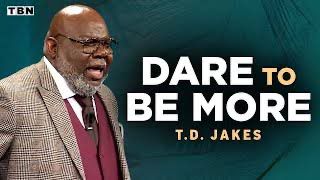
To dare to be more is to refuse to be trapped by the ordinary when life is calling you into something higher. It is the courage to step beyond routine, beyond the expectations of the crowd, beyond fear, beyond self-limiting words, and beyond the familiar patterns that have quietly shaped your life. It is not merely about ambition; it is about becoming. It is about allowing faith, conviction, discipline, and courage to pull you out of “normal” and into the promise of who you were created to be.
There comes a point in life when routine quietly replaces expectation. We continue showing up, saying the right things, attending the right places, and performing familiar rituals, yet deep within us, belief begins to fade. We become accustomed to business as usual. We stop expecting transformation. We stop expecting healing. We stop expecting change. And perhaps most dangerously, we stop expecting God to surprise us.
One of the most powerful lessons from T.D. Jakes’ sermon is the reminder that God often moves outside the boundaries of what feels normal or logical to us. The danger of routine is not simply repetition; it is that repetition can slowly kill faith. A person can remain spiritually active while emotionally disconnected from hope. They can pray without expectation, worship without wonder, and speak words they no longer truly believe. Yet the message reminds us that God still interrupts ordinary patterns. He still shatters limitations. He still enters situations that appear too late, too broken, or too impossible.
To dare to be more is also to resist the pressure of the crowd. The sermon powerfully reflects on the story of the woman caught in adultery and how crowds can become dangerous when people stop thinking for themselves. The “herd mentality” described in the message is something we continue to see everywhere today, in workplaces, institutions, social media spaces, friendships, and even places of worship. People often rush to condemn before understanding. Rumors become stones. Judgment becomes entertainment. Silence becomes mistaken for weakness.
Yet Jesus demonstrates something entirely different. Instead of joining the noise, He stoops down in silence. His refusal to react immediately becomes one of the greatest demonstrations of wisdom and strength. He does not allow the crowd to control His response. He does not perform for their approval. He does not surrender His judgment to their anger. In that moment, He shows us that daring to be more sometimes means standing apart, thinking differently, and refusing to join a crowd simply because it is loud.
There is maturity in learning that not every attack deserves a response. Sometimes integrity requires silence. Sometimes protecting truth means resisting the urge to defend yourself publicly. In a world that rewards immediate reactions, loud opinions, and public outrage, silence can feel uncomfortable. Yet silence often reveals discipline, restraint, and confidence. Jesus paused long enough to make people think. And in that moment of reflection, conviction began to rise.
The sermon reminds us that conviction is necessary for transformation. Real growth begins when a person becomes honest with themselves. Not when everyone else points out their flaws, but when they personally recognize that they can do better, live better, and become better. Many people want change without reflection. They want restoration without accountability. Yet conviction is what produces lasting transformation because it forces us to confront ourselves before we condemn others.
To dare to be more, we must also be willing to drop the stones we have carried. Stones of judgment. Stones of bitterness. Stones of pride. Stones of comparison. Stones of resentment. There are moments when we may feel justified in holding them, especially when we have been hurt, disappointed, betrayed, or misunderstood. But spiritual maturity asks us to consider ourselves. It asks us to remember the mercy we have needed, the grace that has carried us, and the chances we have also been given.
Another striking lesson from the message is the warning against allowing normality to limit possibility. Zacharias had prayed for years, yet when the answer finally came, he struggled to believe it. His faith had quietly retired while his routines remained active. That tension is deeply relatable. Many people continue showing up physically while internally they have already accepted defeat. They speak more about limitations than possibilities. They rehearse reasons why things cannot happen rather than preparing for what could happen.
This is where the call to dare to be more becomes deeply personal. Sometimes the greatest obstacle standing between people and their next season is not external resistance but the words they continually speak over themselves. Fear, doubt, insecurity, shame, and self-limiting beliefs can quietly sabotage opportunities before they even begin. There are moments when people must stop rehearsing everything they believe they cannot do and start creating space for what is still possible.
To dare to be more is to stop telling yourself that it is too late. It is to stop reducing your future to your past. It is to stop allowing fear to narrate your possibilities. It is to stop hiding behind what has always been done, what has always been known, or what has always happened in your family, your workplace, your community, or your life. Growth often demands that we silence the voice that keeps negotiating with limitation.
Perhaps the most encouraging part of the message is the idea that some breakthroughs will not resemble anything that has existed before in your family, environment, or history. The sermon emphasizes that what God was preparing had never happened in that family before. That idea speaks powerfully to anyone attempting to break cycles, pursue unfamiliar opportunities, build new legacies, or step into spaces they have never seen modeled around them. Being the first often feels uncomfortable because there is no familiar blueprint to follow. Yet every legacy begins with someone willing to believe beyond what has previously existed.
Daring to be more is not always dramatic. Sometimes it looks like praying again after disappointment. Sometimes it looks like choosing silence when you could defend yourself. Sometimes it looks like refusing to join gossip, refusing to condemn, refusing to shrink, refusing to speak defeat over your own life. Sometimes it looks like believing that even after years of waiting, something new can still be born.
The message ultimately calls us to step away from the crowd, think independently, release judgment, rediscover expectation, and trust that life can still shift beyond what feels normal. It reminds us that silence can be strength, conviction can produce transformation, and faith must remain active even when circumstances appear delayed.
Most importantly, it reminds us that ordinary patterns do not limit God. What feels impossible to people is often where transformation begins. To dare to be more is to believe that normal is not the final destination. There is still more to become, more to build, more to heal, more to release, and more to receive. And sometimes, the promise begins the moment we are brave enough to step out of the familiar and into the possibility of something greater.
-
Article 80: Why and How to Overcome Imposter Syndrome
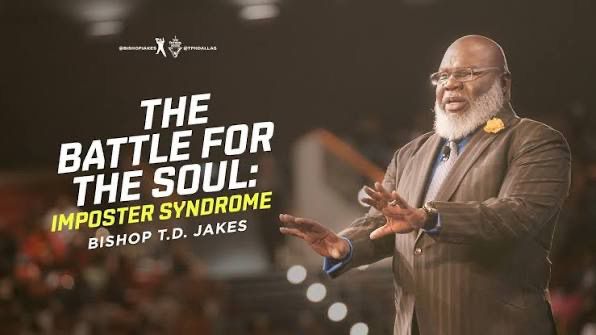
Imposter syndrome is one of the quietest battles many people fight. It is the feeling that you are not truly qualified, worthy, or deserving of the space you occupy, even when your work, experience, and achievements prove otherwise. It is that inner voice that says, “What if they find out I am not as good as they think I am?”
At its core, imposter syndrome is not always about lack of ability. Sometimes, it is about the gap between who you are, who people expect you to be, and who you secretly fear you are. Bishop T.D. Jakes describes it as an experience rather than a permanent condition. He explains that it is a tendency to question your authenticity, especially when you are trying to match who you are with what others expect from you.
Many people experience this in different areas of life. A professional may have the qualifications but still feel inadequate in a boardroom. A parent may love their children deeply but still wonder whether they are doing enough. A leader may carry a title but privately struggle with the weight of responsibility. A spouse, student, entrepreneur, minister, or public servant may appear confident on the outside while wrestling with fear on the inside.
The danger of imposter syndrome is that it can make people sabotage the very opportunities they prayed for. A person may avoid applying for a role, speaking in a meeting, accepting recognition, or stepping into leadership because they feel unworthy. Sometimes, they shrink themselves to remain within their comfort zone, not because they lack potential, but because they have not yet accepted their own growth.
One important lesson from the story of Jacob is that you can be blessed and still not feel settled. Jacob had received the birthright, but he did not feel right within himself. He had possessions, family, and success, yet he was still afraid to face his past. His struggle was not only with Esau; it was also with himself. In the same way, many people are not fighting external enemies as much as they are fighting their own doubts, guilt, fears, and internal narratives.
To overcome imposter syndrome, we must become intentional about how we think, speak, and respond to the doubts within us.
1. Recognize it for what it is
The first step is to understand that imposter syndrome is not your identity. It is not proof that you are fake, unqualified, or undeserving. It is a feeling, and feelings are not always facts.
You may feel unqualified, but that does not mean you are unqualified. You may feel afraid, but fear does not cancel your assignment. You may feel like you do not belong, but that does not mean you have no right to be in the room.
2. Separate your worth from your title
What you do is important, but it is not the fullness of who you are. Titles, achievements, degrees, positions, and public recognition may open doors, but they cannot be the foundation of your identity.
If your confidence depends only on performance, you will always feel pressure to prove yourself. True confidence begins when you understand that your value is not limited to what you produce, achieve, or display publicly.
3. Confront the story you have been telling yourself
Many people carry old labels into new rooms. They still see themselves through past mistakes, rejection, failure, or the opinions of people who misunderstood them.
To overcome imposter syndrome, you must challenge those inner narratives. Instead of saying, “I do not deserve this,” begin to say, “I am growing into this.” Instead of saying, “I am pretending,” say, “I am learning.
4. Accept that growth often feels uncomfortable
New rooms will stretch you. Bigger responsibilities will challenge you. Leadership will expose areas where you still need development.
That discomfort does not mean you are an imposter; it means you are expanding. Every competent person was once new at something. Confidence is not always present at the beginning. Sometimes, it is built through preparation, practice, persistence, and experience.
5. Stop isolating yourself
Imposter syndrome grows stronger in silence. When you keep your fears hidden, they can begin to feel bigger than they really are.
Speak to trusted mentors, friends, coaches, or colleagues who can remind you of the truth when your mind is clouded by fear. Sometimes, you need people who can hold a mirror to your progress and say, “You are not pretending. You are becoming.”
Overcoming imposter syndrome is not about pretending to be fearless. It is about refusing to let fear define you. It is about allowing your mind, your words, and your actions to come into agreement with the truth of who you are becoming.
Ultimately, the battle against imposter syndrome is a battle for the soul: the battle to believe that you are not an accident, not a fraud, and not out of place. You are allowed to grow into the spaces you once prayed for. You are allowed to receive the blessings you worked for. You are allowed to stand fully in your assignment, not as an imposter, but as someone becoming whole, confident, and free.
For more information and deeper reflection on this topic, watch the full video here: https://youtu.be/KH2-rL50CUY
-
Article 79: Mastering Time Management: Lessons from The Art of Laziness

Time management is often misunderstood. Many people think it means filling every hour of the day with work, staying constantly busy, or doing as many things as possible. But true time management is not about doing more. It is about doing what matters most, with focus, intention, and discipline.
The ideas drawn from The Art of Laziness remind us that productivity is not always about working harder. Sometimes, it is about simplifying your day, eliminating distractions, protecting your energy, and focusing on the few activities that create the greatest results.
Start with a Clear Plan
A productive day begins before the work starts. Planning your day gives your time direction. Without a plan, it is easy to move from one activity to another without real progress.
One of the simplest but most powerful habits is writing down everything you want to achieve in a day. When your tasks remain only in your mind, they can feel scattered and overwhelming. But when you put them on paper, they become clearer and easier to manage.
Writing your goals on physical paper is especially powerful because it forces you to slow down and think intentionally. It also gives you a visible reminder of what truly matters. A written plan becomes a guide for your day, helping you avoid distractions and unnecessary decisions.
Focus on What Brings the Greatest Results
The 80/20 Rule is one of the most important principles in time management. It teaches that 20% of your work often produces 80% of your results.
This means that not every task deserves the same attention. Some activities move you closer to your goals, while others only keep you busy. The challenge is to identify the few tasks that create the biggest impact and give them your best energy.
Instead of asking, “How can I do everything today?” ask, “What are the most important things I must do today?” This shift helps you focus on results rather than activity.
Stop Multitasking
Multitasking may feel productive, but in reality, it often reduces the quality of your work. Constantly switching between tasks drains your mental energy and makes it harder to concentrate.
A better approach is to focus on one task at a time. Give your full attention to what is in front of you. Finish it properly, then move to the next task. This creates better results and reduces the stress that comes from trying to do too much at once.
Deep focus is one of the greatest productivity tools. But focus requires discipline. It requires removing distractions from your environment, whether that means putting your phone away, closing unnecessary tabs, working in a quiet space, or setting boundaries with people around you.
Protect Your Energy
Time management is not only about managing hours. It is also about managing energy.
When you are tired, your productivity drops. You may spend hours trying to complete a task that could have taken less time if you were rested. Taking a nap when you are genuinely tired is not laziness; it can be a smart way to reset your mind and body.
Rest is part of productivity. A tired mind makes poor decisions, loses focus easily, and works slowly. Learning when to pause can help you return with more clarity and strength.
Learn to Say No
One of the biggest enemies of time management is saying yes to everything. Every yes comes with a cost. When you agree to every request, meeting, invitation, or task, you leave little room for your own priorities.
You will never have enough time if you keep giving it away without intention.
Saying no does not mean being rude or selfish. It means being clear about your goals and honest about your limits. If something does not align with your priorities, it is okay to decline it respectfully.
Time is one of your most valuable resources. Protecting it is a form of self-leadership.
Delegate What Does Not Require Your Attention
Not every task needs to be done by you. Some tasks can be delegated, especially those that are not important or do not require your specific skill.
Delegation allows you to focus on higher-value work. It also helps other people grow by giving them responsibility. Many people struggle with delegation because they believe they must do everything themselves. But effective people understand that doing everything alone is not strength; it is limitation.
The goal is not to control every task. The goal is to ensure that the right things get done by the right people.
Do It Now
Waiting for the perfect time often leads to delay. Many people postpone important tasks because they are waiting to feel ready, motivated, confident, or inspired. But the perfect time rarely comes.
The best time to begin is often now.
A helpful rule is this: if something can be done in under five minutes, do it immediately. Small tasks can pile up quickly and become overwhelming. Responding to a simple message, making a quick call, filing a document, or completing a small errand immediately can save mental space.
Action creates momentum. The more you act, the less room procrastination has to grow.
Start with the Task You Hate
Every day often has one task you are avoiding. It may be difficult, uncomfortable, boring, or intimidating. But avoiding it only makes it heavier in your mind.
Doing the task you hate first helps you gain control of your day. Once it is done, you feel lighter and more confident. This habit builds discipline because it teaches you not to be ruled by emotion.
Productive people do not only do what feels good. They do what needs to be done.
Set Deadlines
A task without a deadline can remain unfinished for a long time. Deadlines create urgency, focus, and accountability.
When you give yourself a clear time frame, your mind becomes more disciplined. You are less likely to waste time on unnecessary details. This does not mean rushing carelessly, but it does mean creating structure around your work.
Deadlines help turn intentions into action.
Avoid Perfectionism Where It Is Not Required
Perfectionism can look like excellence, but sometimes it is just fear in disguise. Not every task needs to be perfect. Some tasks simply need to be completed well enough to move forward.
There is wisdom in knowing where excellence is required and where completion is enough. Spending too much time perfecting minor details can prevent you from making meaningful progress.
Time management requires judgment. Give your best energy to what truly matters, but do not waste time polishing things that do not significantly affect the outcome.
Control Emails, Meetings, and Distractions
Emails and meetings can quietly consume your day if you do not manage them intentionally.
Instead of checking email constantly, schedule specific times to review and respond. This protects your focus and prevents your day from being controlled by other people’s demands.
The same applies to meetings. Not every meeting is necessary. Some issues can be resolved through a short message, a call, or a brief update. Avoiding unnecessary meetings gives you more time for deep, meaningful work.
Your environment also matters. Negative people, constant interruptions, and unhelpful conversations can drain your energy and reduce your focus. Protecting your time sometimes means protecting your mental space as well.
Focus on What Supports Your Goals
A major lesson in time management is learning to stop focusing on things that do not help you achieve your goals.
Many distractions are not bad in themselves, but they become harmful when they pull you away from your purpose. Before spending time on something, ask yourself: “Is this helping me move closer to the life, career, or impact I want to build?”
This question can help you make better choices daily.
Do What You Love
Finally, time management is easier when your life includes work that matters to you. Doing what you love gives you energy, meaning, and motivation.
This does not mean every task will be exciting. Even meaningful work has difficult parts. But when your bigger purpose is clear, you are more willing to stay disciplined.
Time management is not just about productivity. It is about creating a life where your time reflects your values, goals, and purpose.
Ultimately, mastering time management requires more than a good schedule. It requires clarity, focus, courage, discipline, and self-awareness.
Plan your day. Write down your goals. Focus on the few things that create the biggest results. Stop multitasking. Remove distractions. Rest when necessary. Say no without guilt. Delegate wisely. Act now. Set deadlines. Avoid perfectionism where it is not needed. Protect your time from unnecessary meetings, emails, and negative energy.
In the end, time management is life management. How you spend your time is how you build your future.
-
Article 78: EALS @30: Reflecting on Three Decades of Rule of Law, Regional Integration and the Legal Profession in East Africa
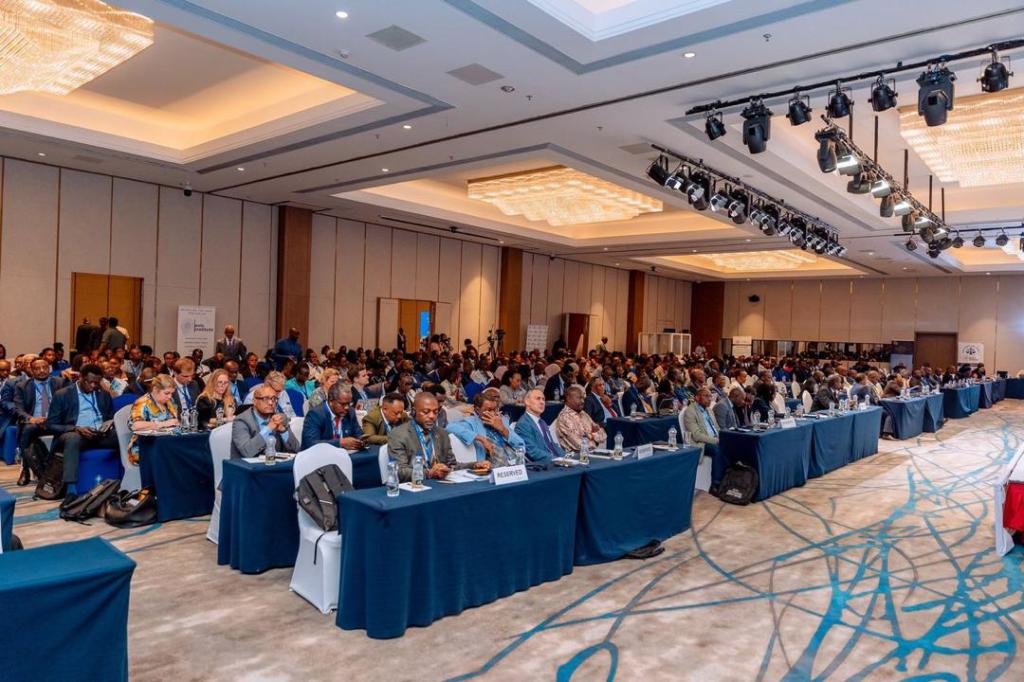
The 30th East Africa Law Society Annual Conference, held from 26th to 29th November 2025 in Addis Ababa, Ethiopia, marked an important moment of reflection, celebration and renewed commitment for the legal profession across the region. Convened under the theme, “EALS @30: Three Decades of Promoting Rule of Law, Regional Integration and the Legal Profession in East Africa,” the conference brought together legal practitioners, judges, in-house counsel, regulators, academics, institutional leaders and young lawyers to reflect on the journey of the Society and the future of legal practice in East Africa.
Addis Ababa provided a fitting setting for the milestone conference. As a city deeply associated with African diplomacy, heritage and continental unity, it offered the right atmosphere for conversations on justice, governance, integration and the evolving role of law in shaping Africa’s development. The conference opened with reflections from regional legal leaders, including the leadership of the East Africa Law Society, the Pan African Lawyers Union, the Ethiopian Federal Advocates Association and the Conference Committee. Their remarks celebrated EALS as a strong regional voice for justice, governance, professional excellence and cross-border legal collaboration.
The opening sessions served as reminders that the story of EALS is not only one of institutional growth, but also one of courage, vision and regional solidarity. Over the past three decades, the Society has contributed to strengthening the rule of law, promoting regional integration and creating a platform for lawyers across East Africa to engage beyond national boundaries. The conference therefore became both a celebration of what has been achieved and a call to imagine what the next thirty years should look like for the legal profession.
Keynote reflections during the conference highlighted the central role of lawyers in defending justice, strengthening institutions and supporting economic transformation. Prof. Luis G. Franceschi issued a powerful reminder that the legal profession cannot afford to remain silent or complacent when injustice is being done, and that the work of promoting the rule of law is long, demanding and necessary. His reflections underscored the importance of courage, persistence and regional unity in confronting the governance challenges facing the continent, particularly where injustice and corruption continue to weaken institutions and erode public trust.
The conference also explored the relationship between law, innovation, business and development. Mr. Wim Vanhelleputte, CEO of Safaricom PLC Ethiopia, delivered an energetic keynote on leadership, innovation, economic transformation and the role of strong legal ecosystems in enabling investment and corporate growth. His reflections connected legal practice to the broader business environment, reminding participants that lawyers are not peripheral to development; they are central to building systems that support trust, investment, accountability and sustainable growth.
A major thread running through the conference was the changing role of the modern lawyer. Discussions around the future law firm, in-house legal practice, digital regulation, ESG, competition law, mergers and acquisitions, data protection, fintech and artificial intelligence all pointed to one reality: the legal profession is evolving rapidly. Lawyers are now expected to understand not only statutes and case law, but also business models, technology, governance risks, institutional culture and stakeholder expectations. The future lawyer must be both technically competent and strategically aware.
This was especially evident during the In-House Counsel Forum and Masterclass, where conversations focused on compliance, digital regulation, ESG and the role of in-house lawyers as strategic business leaders. The in-house lawyer was presented not merely as a legal adviser, but as a custodian of corporate governance, a contributor to ethical organisational culture and a key partner in institutional decision-making. The discussions reinforced the idea that strong institutions are built on strong governance, and strong governance depends on legal teams that think beyond compliance to strategy, innovation, risk management and value creation.
The conference also placed significant emphasis on the sustainability and future readiness of law firms. Sessions reflected on the need for law firms to think seriously about people, tools and processes. Law firms were challenged to ask whether they are building sustainable models, whether they are prepared for technological disruption, whether they understand trends in business, and whether they are equipping their teams to serve clients in an increasingly complex environment. Issues such as artificial intelligence, ESG advisory, research tools, reporting systems, law firm compliance, diversity, inclusion and business growth emerged as important areas for the profession to address.
Young lawyers were also at the heart of the EALS @30 conversations. The Young Lawyers Forum and related sessions carried a powerful message about integrity, humility, patience, excellence and leadership. The reflections from senior lawyers and founders of the Society served as a reminder that institutions are built by people who choose to act with conviction, even when the path is uncertain. The founders’ reflections were especially meaningful because they connected the present generation of lawyers to the sacrifices, vision and courage of those who established the regional legal movement.
One of the strongest messages to young lawyers was that the next chapter of EALS belongs to those who are willing to learn, build and contribute. Impact does not always begin with extraordinary circumstances; often, it begins with ordinary people who choose to do something meaningful. Excellence was presented not as a single achievement, but as a discipline. Young lawyers were encouraged to take up leadership positions, create opportunities, contribute to thought leadership and participate actively in shaping the profession. The conference also recognised the importance of mentorship, institutional memory and intergenerational collaboration, captured beautifully in the proverb that while the youth may walk faster, elders know the road.
The conference further highlighted alternative dispute resolution, interdisciplinary legal practice and the need for precise legal drafting. Discussions on ADR emphasised that clauses must be clear, practical and carefully drafted, while also recognising that remedies may go beyond monetary compensation. These reflections spoke to the wider responsibility of lawyers to design legal solutions that are effective, contextual and responsive to the real needs of clients, institutions and communities.
Throughout the conference, the message of regional integration remained strong. EALS was established to enable cross-border legal practice and to strengthen cooperation among lawyers across East Africa. Thirty years later, that mission remains relevant. In an era of increased regional trade, mobility, investment, technology and shared governance challenges, the legal profession must continue to support integration by building bridges across jurisdictions, harmonising professional standards and defending the rule of law as a shared regional value.
The closing ceremony at the African Union Headquarters provided a symbolic and memorable conclusion to the conference. It reinforced the connection between the legal profession, continental governance and Africa’s shared aspirations. The remarks delivered during the closing sessions reflected the importance of collaborative justice systems, regional solidarity and visionary leadership in shaping the continent’s legal future. The leadership of EALS also offered a forward-looking perspective on Africa’s legal evolution and the important role of young legal leaders in carrying the mission forward.
Ultimately, the EALS @30 Conference was more than a commemorative gathering. It was a reminder that the legal profession remains central to the work of building accountable institutions, protecting rights, enabling investment, promoting ethical leadership and strengthening regional cooperation. It celebrated three decades of progress while making clear that the next thirty years will require even greater courage, innovation, professionalism and collaboration.
As East Africa continues to evolve, the role of lawyers will continue to expand. The profession must remain anchored in integrity and the rule of law, while also embracing technology, sustainability, inclusion and strategic leadership. EALS @30 was therefore both a tribute to the past and a charge to the future: to build a legal profession that is excellent, courageous, regionally connected and ready to serve the next chapter of East Africa’s transformation.




-
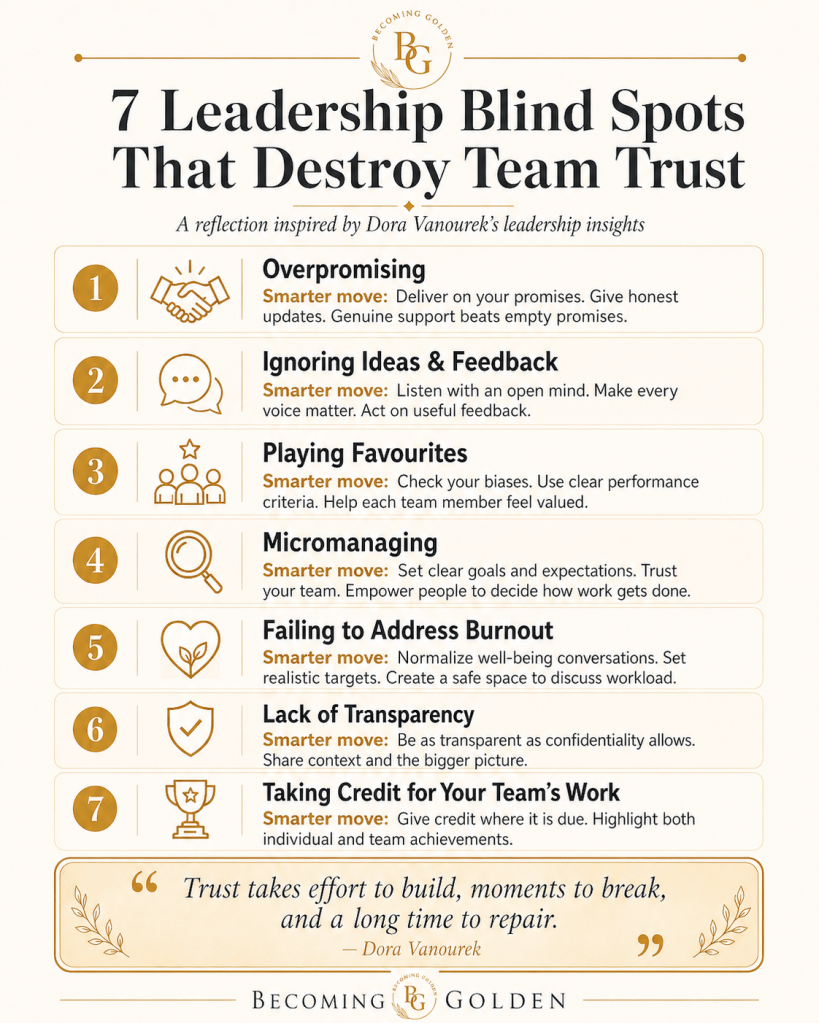
Article 77: 7 Leadership Blind Spots That Destroy Team Trust and How to Avoid Them
Trust is one of the most valuable currencies in leadership. It determines how openly people communicate, how committed they are to the mission, and how safe they feel contributing their best ideas.
Dora Vanourek powerfully reminds us that there are seven leadership blind spots that can destroy a team’s trust: overpromising, ignoring ideas and feedback, playing favourites, micromanaging, failing to address burnout, lack of transparency, and taking credit for the team’s work.
These blind spots are important because they are often not driven by bad intentions. Many leaders fall into them while trying to motivate, protect, guide, or support their teams. However, leadership is not judged only by intention. It is also judged by impact.
1. Overpromising
Leaders often overpromise because they want to keep their teams hopeful. They may promise resources, promotions, timelines, or opportunities before they are fully certain.
However, when promises are not fulfilled, credibility is weakened. Teams may begin to question whether the leader’s word can be trusted.
A better approach is to commit carefully, communicate honestly, and provide regular updates. Genuine support is better than empty reassurance.
2. Ignoring Ideas and Feedback
Dora also highlights the danger of ignoring ideas and feedback. Some leaders assume they are saving time by dismissing ideas that may not work. Yet, when people feel unheard, they eventually stop contributing.
Trust grows when team members know that their voices matter. This does not mean every suggestion must be adopted, but it does mean every contribution should be respected.
Leaders should listen with an open mind, acknowledge feedback, and explain decisions clearly.
3. Playing Favourites
Favouritism can quietly destroy team morale. It may begin innocently, especially when a leader naturally connects with certain people because of shared background, personality, or working style.
But when some team members consistently receive more attention, better opportunities, or more recognition, others begin to feel invisible.
Fair leadership requires self-awareness. Leaders must check their biases, apply clear performance criteria, and ensure that every team member feels valued.
4. Micromanaging
Micromanagement is often disguised as support. A leader may believe they are simply ensuring quality or helping the team succeed.
However, to the team, micromanagement can feel like distrust. It limits ownership, confidence, and creativity.
Better leadership means setting clear expectations, defining goals, and then allowing people the space to deliver. Teams grow when they are trusted to think, decide, and execute.
5. Failing to Address Burnout
One of the most dangerous assumptions a leader can make is, “They would tell me if they were struggling.”
Many people do not openly admit burnout because they fear being judged as weak, incapable, or uncommitted. Silence does not always mean people are okay.
Leaders should normalize conversations about well-being, set realistic targets, ask about workload, and model healthy work habits. Protecting people’s energy is part of protecting performance.
6. Lack of Transparency
Some leaders withhold information because they believe they are protecting the team from unnecessary stress. While confidentiality is sometimes necessary, silence can create uncertainty and mistrust.
People do not need to know everything, but they do need context.
Transparent leaders communicate what they can, explain the bigger picture, and are honest about uncertainty. Even difficult messages can build trust when delivered with clarity and respect.
7. Taking Credit for the Team’s Work
Dora’s final blind spot is especially important: taking credit for the team’s work.
Some leaders may think they are simply representing the team’s achievements. But when individual and collective contributions are not acknowledged, people feel unseen.
Strong leaders give credit generously. They highlight the people behind the results and ensure that team members are recognized in the rooms where opportunities and decisions are made.
Ultimately, Dora Vanourek’s message is a timely reminder that trust is not built by position, title, or authority. It is built through consistent behaviour. Trust grows when leaders keep their word, listen with humility, act fairly, communicate honestly, protect their teams from burnout, and give credit where it is due. As Dora rightly notes, trust takes effort to build, moments to break, and a long time to repair. Leadership therefore requires awareness: the best leaders are not perfect, but they are reflective. They pay attention not only to what they intend, but also to how their actions are experienced by others.

About Me
I love reading, writing, attending events, learning, leadership and meeting new people.
I hold a Masters Degree in International Law and I am passionate about life.
If you are interested in learning more about self discovery and becoming the best version of yourself.
Follow Me On
Subscribe To My Newsletter
Subscribe for new stories and exclusive content.

