
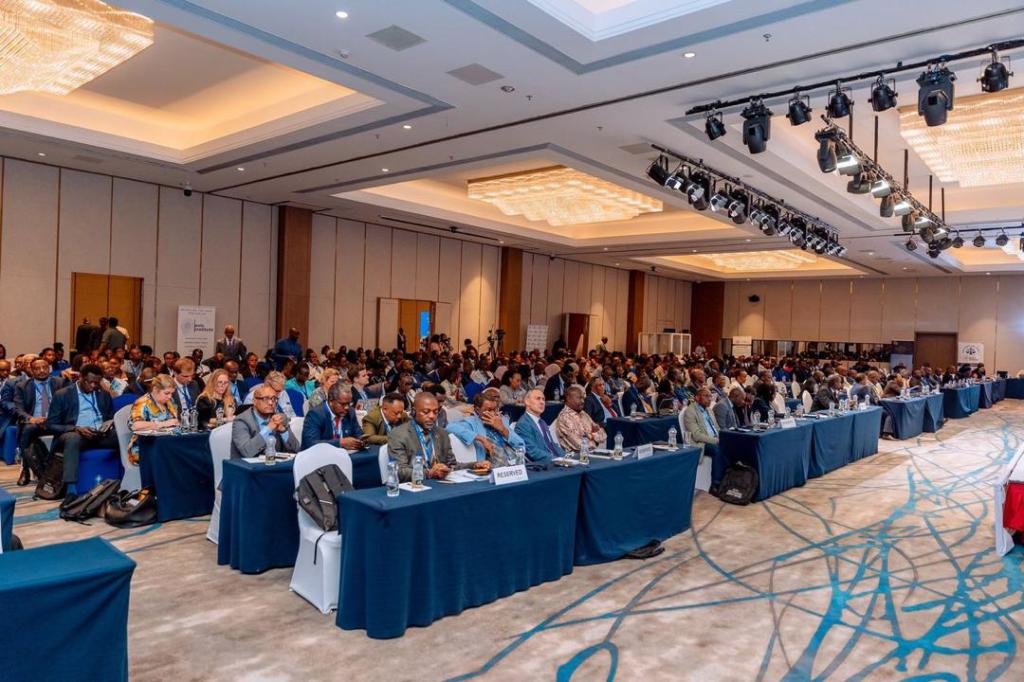
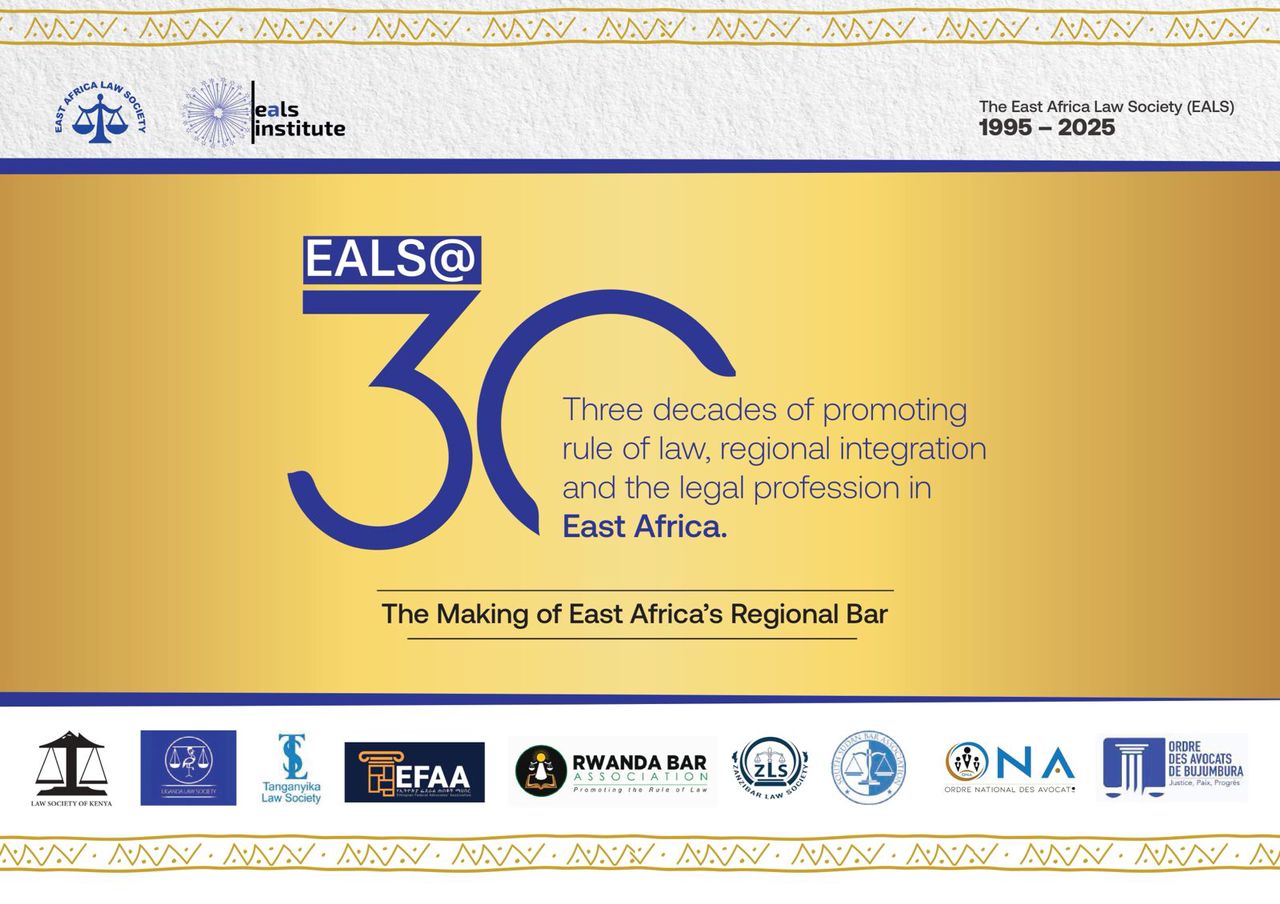
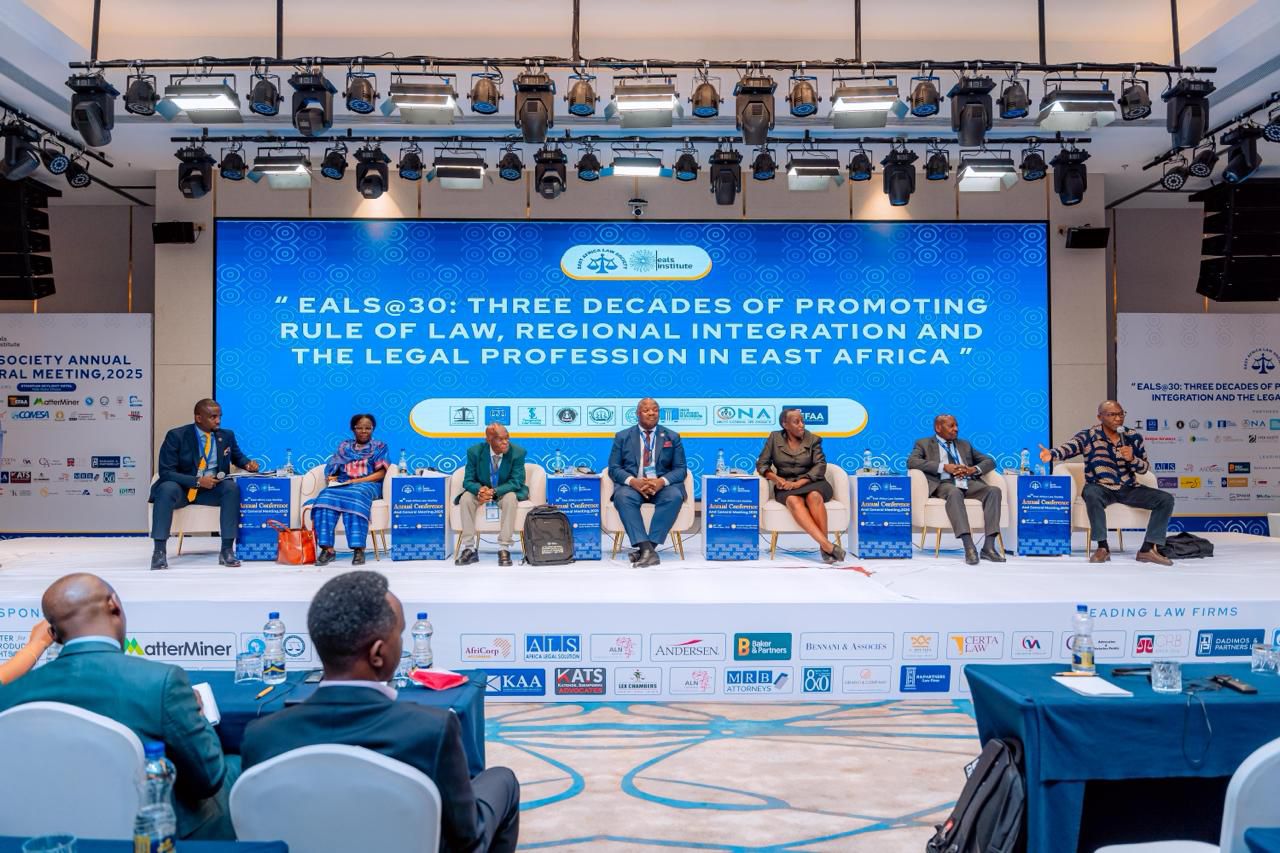
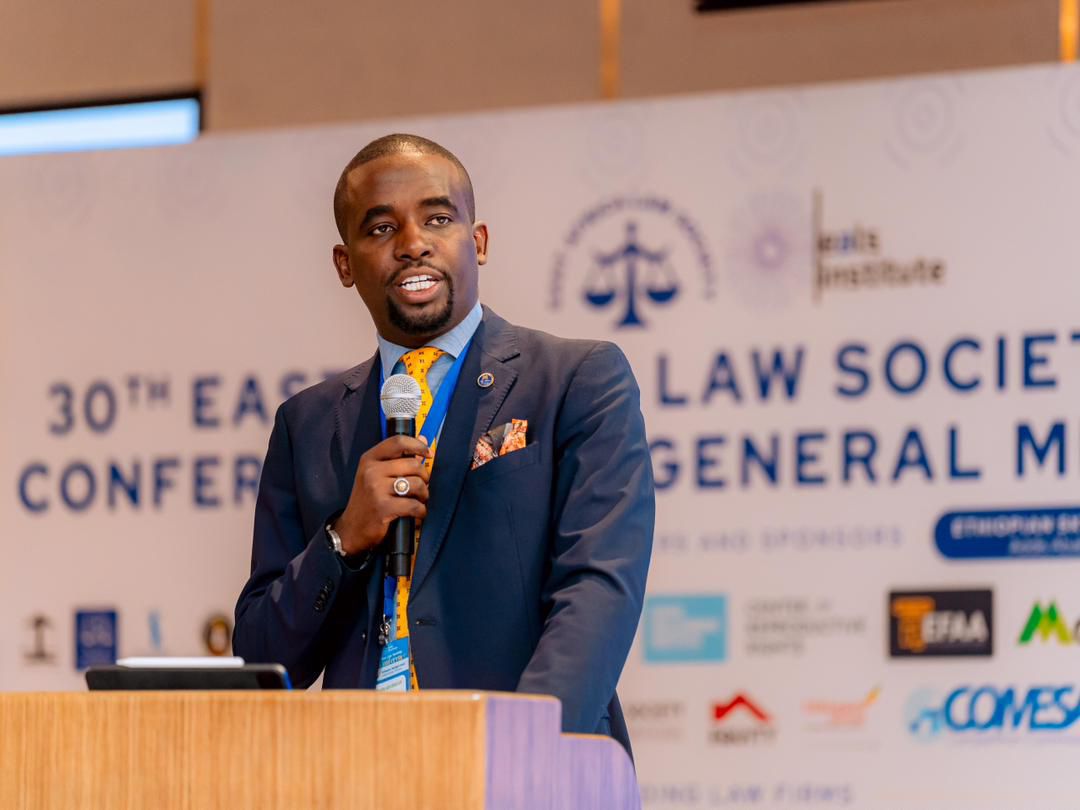
The 30th East Africa Law Society Annual Conference, held from 26th to 29th November 2025 in Addis Ababa, Ethiopia, marked an important moment of reflection, celebration and renewed commitment for the legal profession across the region. Convened under the theme, “EALS @30: Three Decades of Promoting Rule of Law, Regional Integration and the Legal Profession in East Africa,” the conference brought together legal practitioners, judges, in-house counsel, regulators, academics, institutional leaders and young lawyers to reflect on the journey of the Society and the future of legal practice in East Africa.
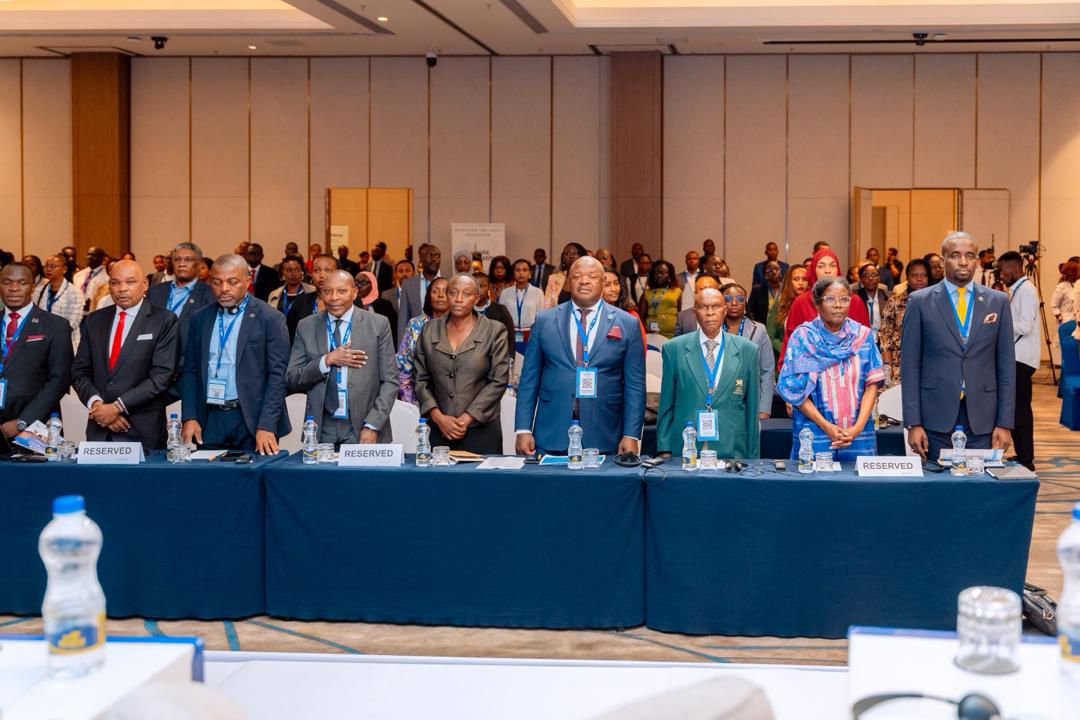
Addis Ababa provided a fitting setting for the milestone conference. As a city deeply associated with African diplomacy, heritage and continental unity, it offered the right atmosphere for conversations on justice, governance, integration and the evolving role of law in shaping Africa’s development. The conference opened with reflections from regional legal leaders, including the leadership of the East Africa Law Society, the Pan African Lawyers Union, the Ethiopian Federal Advocates Association and the Conference Committee. Their remarks celebrated EALS as a strong regional voice for justice, governance, professional excellence and cross-border legal collaboration.
The opening sessions served as reminders that the story of EALS is not only one of institutional growth, but also one of courage, vision and regional solidarity. Over the past three decades, the Society has contributed to strengthening the rule of law, promoting regional integration and creating a platform for lawyers across East Africa to engage beyond national boundaries. The conference therefore became both a celebration of what has been achieved and a call to imagine what the next thirty years should look like for the legal profession.
Keynote reflections during the conference highlighted the central role of lawyers in defending justice, strengthening institutions and supporting economic transformation. Prof. Luis G. Franceschi issued a powerful reminder that the legal profession cannot afford to remain silent or complacent when injustice is being done, and that the work of promoting the rule of law is long, demanding and necessary. His reflections underscored the importance of courage, persistence and regional unity in confronting the governance challenges facing the continent, particularly where injustice and corruption continue to weaken institutions and erode public trust.
The conference also explored the relationship between law, innovation, business and development. Mr. Wim Vanhelleputte, CEO of Safaricom PLC Ethiopia, delivered an energetic keynote on leadership, innovation, economic transformation and the role of strong legal ecosystems in enabling investment and corporate growth. His reflections connected legal practice to the broader business environment, reminding participants that lawyers are not peripheral to development; they are central to building systems that support trust, investment, accountability and sustainable growth.
A major thread running through the conference was the changing role of the modern lawyer. Discussions around the future law firm, in-house legal practice, digital regulation, ESG, competition law, mergers and acquisitions, data protection, fintech and artificial intelligence all pointed to one reality: the legal profession is evolving rapidly. Lawyers are now expected to understand not only statutes and case law, but also business models, technology, governance risks, institutional culture and stakeholder expectations. The future lawyer must be both technically competent and strategically aware.
This was especially evident during the In-House Counsel Forum and Masterclass, where conversations focused on compliance, digital regulation, ESG and the role of in-house lawyers as strategic business leaders. The in-house lawyer was presented not merely as a legal adviser, but as a custodian of corporate governance, a contributor to ethical organisational culture and a key partner in institutional decision-making. The discussions reinforced the idea that strong institutions are built on strong governance, and strong governance depends on legal teams that think beyond compliance to strategy, innovation, risk management and value creation.
The conference also placed significant emphasis on the sustainability and future readiness of law firms. Sessions reflected on the need for law firms to think seriously about people, tools and processes. Law firms were challenged to ask whether they are building sustainable models, whether they are prepared for technological disruption, whether they understand trends in business, and whether they are equipping their teams to serve clients in an increasingly complex environment. Issues such as artificial intelligence, ESG advisory, research tools, reporting systems, law firm compliance, diversity, inclusion and business growth emerged as important areas for the profession to address.
Young lawyers were also at the heart of the EALS @30 conversations. The Young Lawyers Forum and related sessions carried a powerful message about integrity, humility, patience, excellence and leadership. The reflections from senior lawyers and founders of the Society served as a reminder that institutions are built by people who choose to act with conviction, even when the path is uncertain. The founders’ reflections were especially meaningful because they connected the present generation of lawyers to the sacrifices, vision and courage of those who established the regional legal movement.
One of the strongest messages to young lawyers was that the next chapter of EALS belongs to those who are willing to learn, build and contribute. Impact does not always begin with extraordinary circumstances; often, it begins with ordinary people who choose to do something meaningful. Excellence was presented not as a single achievement, but as a discipline. Young lawyers were encouraged to take up leadership positions, create opportunities, contribute to thought leadership and participate actively in shaping the profession. The conference also recognised the importance of mentorship, institutional memory and intergenerational collaboration, captured beautifully in the proverb that while the youth may walk faster, elders know the road.
The conference further highlighted alternative dispute resolution, interdisciplinary legal practice and the need for precise legal drafting. Discussions on ADR emphasised that clauses must be clear, practical and carefully drafted, while also recognising that remedies may go beyond monetary compensation. These reflections spoke to the wider responsibility of lawyers to design legal solutions that are effective, contextual and responsive to the real needs of clients, institutions and communities.
Throughout the conference, the message of regional integration remained strong. EALS was established to enable cross-border legal practice and to strengthen cooperation among lawyers across East Africa. Thirty years later, that mission remains relevant. In an era of increased regional trade, mobility, investment, technology and shared governance challenges, the legal profession must continue to support integration by building bridges across jurisdictions, harmonising professional standards and defending the rule of law as a shared regional value.
The closing ceremony at the African Union Headquarters provided a symbolic and memorable conclusion to the conference. It reinforced the connection between the legal profession, continental governance and Africa’s shared aspirations. The remarks delivered during the closing sessions reflected the importance of collaborative justice systems, regional solidarity and visionary leadership in shaping the continent’s legal future. The leadership of EALS also offered a forward-looking perspective on Africa’s legal evolution and the important role of young legal leaders in carrying the mission forward.
Ultimately, the EALS @30 Conference was more than a commemorative gathering. It was a reminder that the legal profession remains central to the work of building accountable institutions, protecting rights, enabling investment, promoting ethical leadership and strengthening regional cooperation. It celebrated three decades of progress while making clear that the next thirty years will require even greater courage, innovation, professionalism and collaboration.
As East Africa continues to evolve, the role of lawyers will continue to expand. The profession must remain anchored in integrity and the rule of law, while also embracing technology, sustainability, inclusion and strategic leadership. EALS @30 was therefore both a tribute to the past and a charge to the future: to build a legal profession that is excellent, courageous, regionally connected and ready to serve the next chapter of East Africa’s transformation.


Leave a Reply