
Hello, I am Advocate Brownie Ebal
I am a legal Practitioner, Venture Capitalist and Philanthropist.
Welcome to my site.
I love life, travelling, food, beauty, the law, leadership and meeting people from diverse backgrounds. I hope to inspire each one of you with my various articles as I share from my experiences around our beautiful world.
I live in Kampala, Uganda.



-
Article 51: Negotiation & Presentation Mastery for Lawyers: Win Pitches, Maximize Margins, and Draft Airtight Deals.

Written by Adv. Brownie Ebal & Victoria Nakiyimba.
On 13th May 2025, legal professionals from across the continent tuned in for a high-impact webinar titled “Negotiation & Presentation Mastery for Lawyers: Win Pitches, Maximize Margins and Draft Airtight Deals.” Organized by the East Africa Law Society (EALS), the session attracted lawyers eager to sharpen their strategic skills in client engagement, contract drafting, and high-stakes negotiation.
The East Africa Law Society, a prominent regional bar association representing over 28,000 lawyers from across the East African Community, has long been at the forefront of advancing the rule of law, cross-border legal practice, and professional development. This session was part of its broader mission to equip legal practitioners with the tools necessary to thrive in an increasingly complex and competitive market.
The panel featured four distinguished speakers: Sunday Ndamugoba, Partner at Rive & Co; Asmahaney Saad, Partner at KTA Advocates; Dr. Pie Habimana, Non-Executive Director at Bank of Kigali Plc; and Modeste Mulumba, Managing Partner at Modest Mulumba Law Firm. Together, they offered a panoramic view of what it takes to succeed in today’s legal profession—where knowledge alone is no longer enough.
Sunday Ndamugoba delivered a comprehensive perspective on what defines a well-drafted, airtight contract in today’s complex commercial environment. Speaking from his Tanzanian legal context, he emphasized the importance of clarity and precision in language, ensuring that contracts are free from ambiguity and clearly outline obligations, timelines, and deliverables. He stressed the need for contracts to comprehensively anticipate contingencies—incorporating breach clauses, remedies, dispute resolution mechanisms, and local realities such as dual languages and sector-specific compliance. Importantly, he urged lawyers to design contracts that are not only enforceable and legally sound, but also adaptable over time. He later explored the growing role of emerging technologies like AI in contract drafting, acknowledging their usefulness in automating standard clauses and conducting reviews, while warning of the risks they pose when used without oversight. He noted that AI should remain an assistant, not a decision-maker, especially in regions where regulatory frameworks are still developing. According to Ndamugoba, the responsibility of sound judgment, client-specific strategy, and contextual awareness remains squarely with the lawyer.
Dr. Pie Habimana brought energy and clarity to the topic of pitch-making. He challenged lawyers to move beyond the conventional definitions of good legal service and begin offering strategic value. According to him, storytelling is not simply a presentation tool, it is a transformative method that allows lawyers to make complex legal arguments relatable and persuasive. He underscored that clients are no longer seeking lawyers who merely know the law, they want advisors who understand their business and help them make smart decisions. A compelling pitch, he said, should help clients see not just the legal solution, but the strategic advantage.
The discussion then shifted to negotiation, where Asmahaney Saad shared an insightful perspective grounded in her experience as both a corporate lawyer and a mediator. She reminded participants that negotiation is an everyday skill, not just a professional tool, but a part of life itself. Her approach was deeply human: she encouraged lawyers to enter negotiations prepared, to recognize the difference between a client’s wants and their needs, and to always be aware of the emotional undercurrents in the room. Drawing on relatable stories, she demonstrated how listening, empathy, and flexibility often achieve far more than rigid demands. Saad also spoke to the modern lawyer’s role as a value-driven partner, not just a service provider—especially when negotiating fees or managing client relationships in an increasingly AI-influenced world.
Modeste Mulumba added depth to the conversation with his reflections on managing pressure during high-stakes negotiations. He spoke about the importance of staying mentally centered and methodical—especially when counterparties are aggressive or dismissive. He encouraged lawyers to approach each negotiation with a clear mind, to understand each party’s goals, and to guide discussions toward mutually acceptable outcomes without losing professional composure. Mulumba also emphasized the power of calm body language and professional demeanor, particularly when trying to de-escalate tense situations.
Together, these discussions painted a picture of a profession undergoing profound transformation. Lawyers today must be far more than technically proficient—they must be persuasive communicators, thoughtful negotiators, and adaptive advisors. As the speakers made clear, legal services are no longer judged solely by their correctness, but by the strategic value and clarity they deliver to clients.
This webinar offered more than just practical tips—it was a deep and timely reflection on the evolving identity of the legal profession
For more information, please click on the link to watch full video: https://www.youtube.com/live/hJ9hpUAOeaA
-
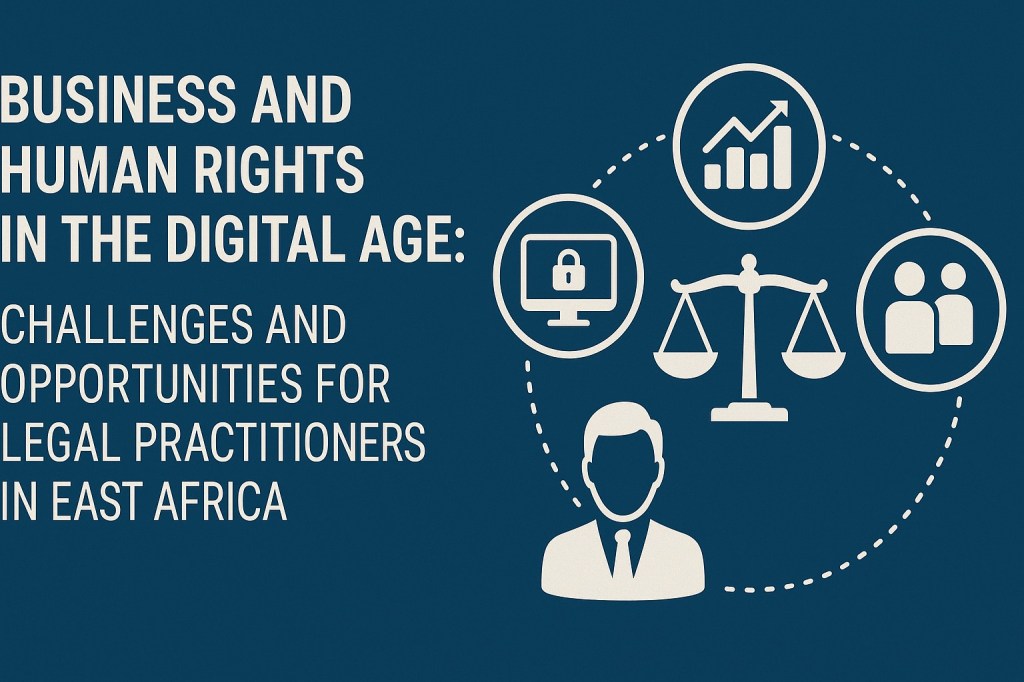
Article 50:Business and Human Rights in the Digital Age: Challenges and Opportunities for Legal Practitioners in East Africa.
Written by Brownie Ebal and Victoria Nakiyimba.
On 10th April 2025, the East African Law Society hosted a webinar titled “Navigating Business and Human Rights in the Digital Age,” exploring the evolving relationship between business practices, technological advancement, and human rights within the East African legal context.
Nasanga Aki from IBIS Consulting provided a compelling historical backdrop, tracing the development of corporate accountability from the aftermath of World War II to the adoption of the UN Guiding Principles on Business and Human Rights. She emphasized how the digital age intensifies challenges for corporations, many of which now possess vast influence over societies. Aki underscored the importance of applying existing frameworks more consistently while also adapting them to the digital realities of today. Her insights stressed that legal practitioners must not only be aware of corporate responsibility norms but actively enforce and evolve them within their jurisdictions.
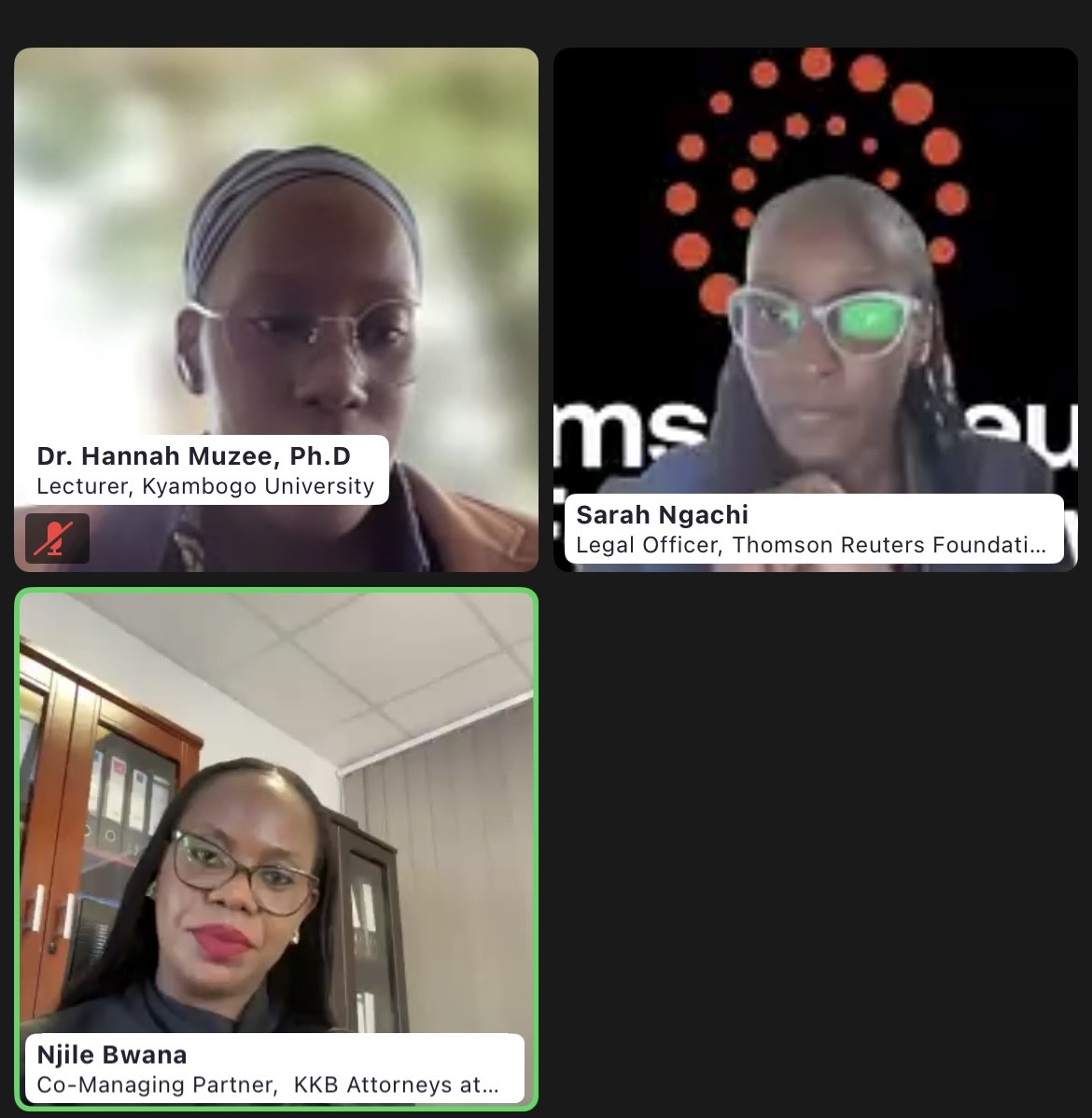
Dr. Hannah Muzee, Lecturer Kyambogo University, turned the spotlight on the gender digital divide, highlighting the disproportionate impact of digital threats and online harassment on women. She pointed out that while technology holds promise, it often reinforces existing inequalities if not intentionally designed and regulated. Dr. Muzee called for increased government responsiveness, particularly through policies that ensure equitable digital access and the promotion of digital literacy among women. Legal practitioners, she argued, must be at the forefront of advocating for protective digital legislation and inclusive governance frameworks.
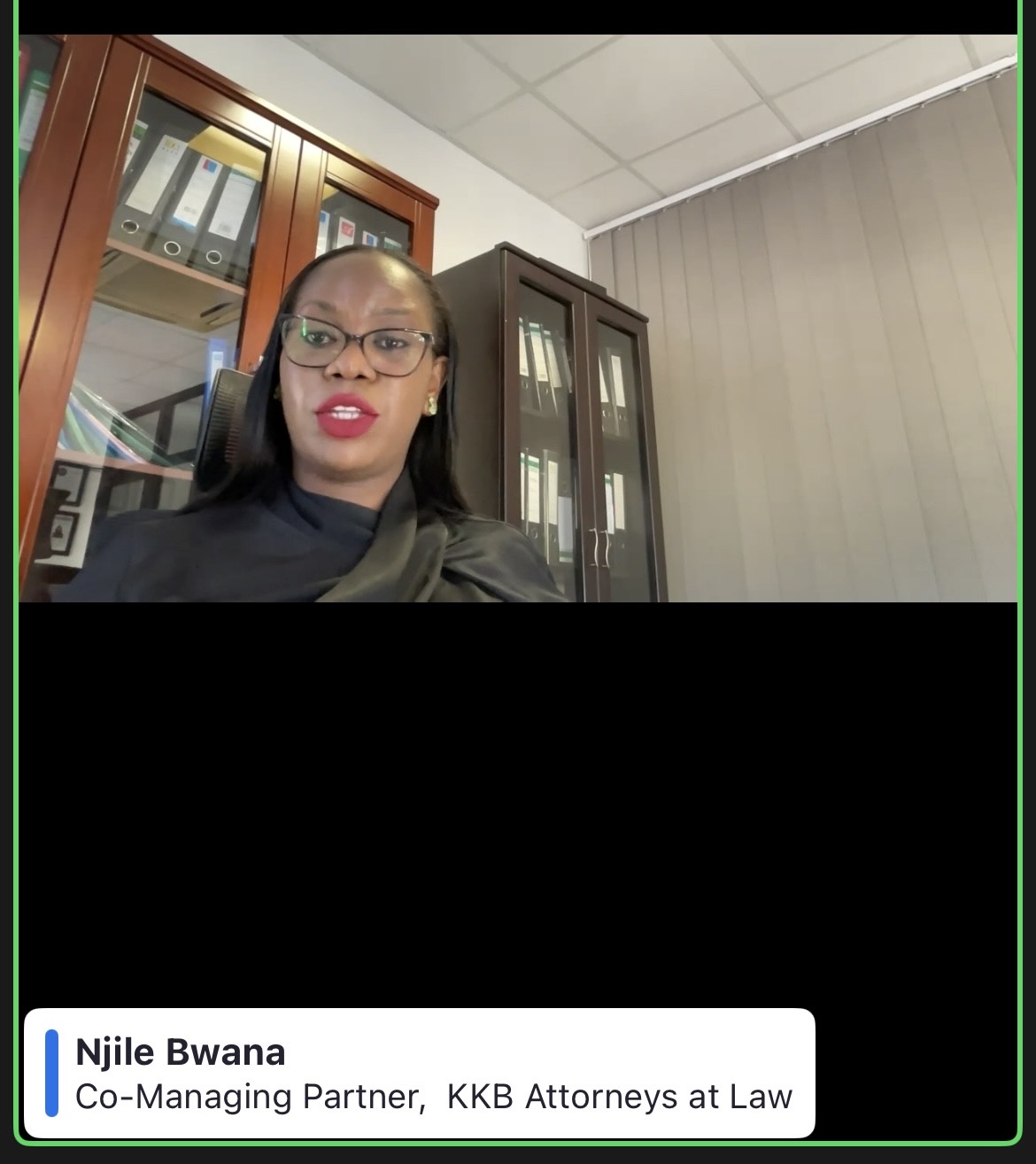
Njile Bwana of KKB Attorneys at Law tackled the practical realities that legal professionals face as they engage with business and human rights in the digital age. She identified key areas of opportunity in the growing digital economy, such as advising on data protection, digital compliance, and responsible tech development. However, she also cautioned that lawyers must contend with weak enforcement mechanisms, jurisdictional complexity, and a general lack of training in digital law. Bwana emphasized the need for strategic collaboration among legal professionals in the region, pointing to cross-border frameworks as a means to strengthen accountability and harmonize practice.
Throughout the session, a clear theme emerged: the legal profession must evolve alongside technology. The digital age offers powerful tools for growth and social impact but also introduces risks that demand urgent legal attention. The speakers collectively highlighted that historical knowledge, gender awareness, and forward-looking training are all essential for lawyers seeking to remain effective in a rapidly changing landscape.
Ultimately, the webinar underscored the growing role of legal practitioners in shaping not only compliance frameworks but also the ethical future of business in East Africa. By embracing collaboration, advocating for inclusive policies, and deepening their understanding of digital environments, lawyers can help ensure that technological progress does not come at the expense of human rights.


-
Article 49: Elevate Your Career: A Transformational Coaching Experience for Professionals
Written by Adv. Brownie Ebal
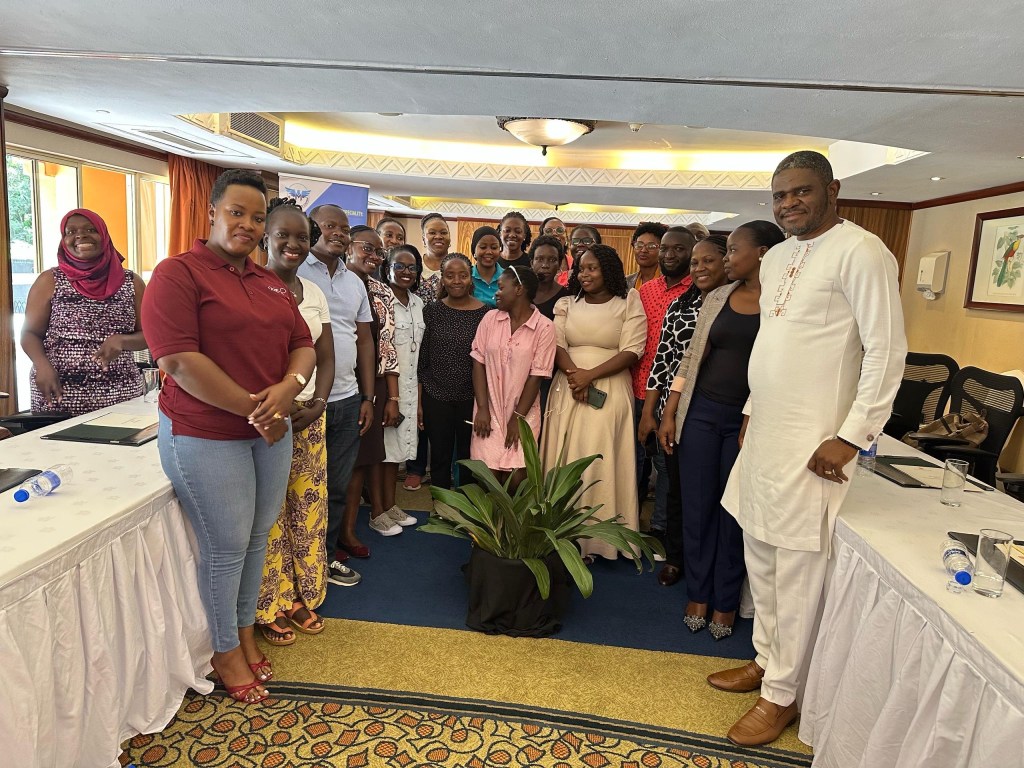
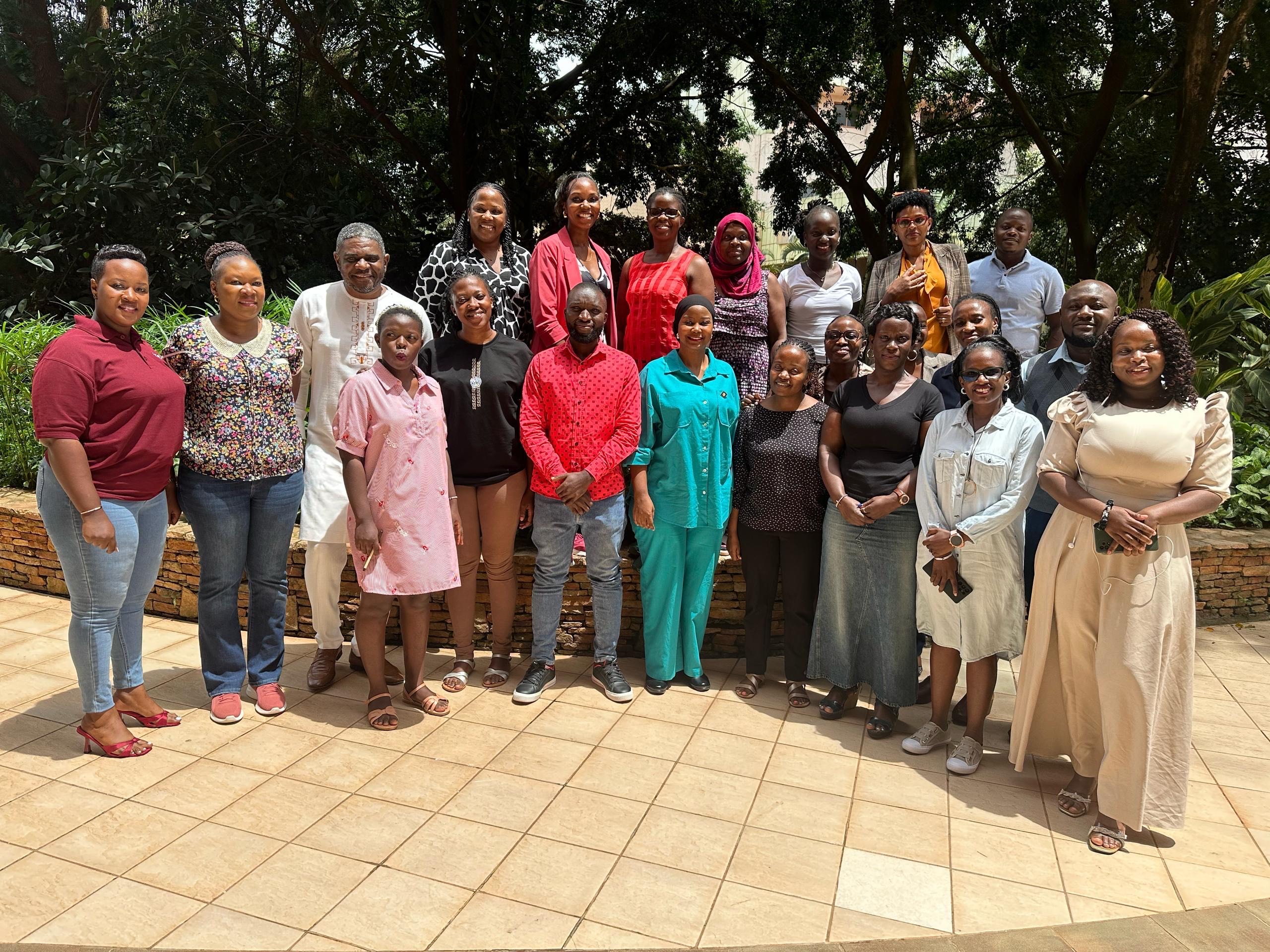
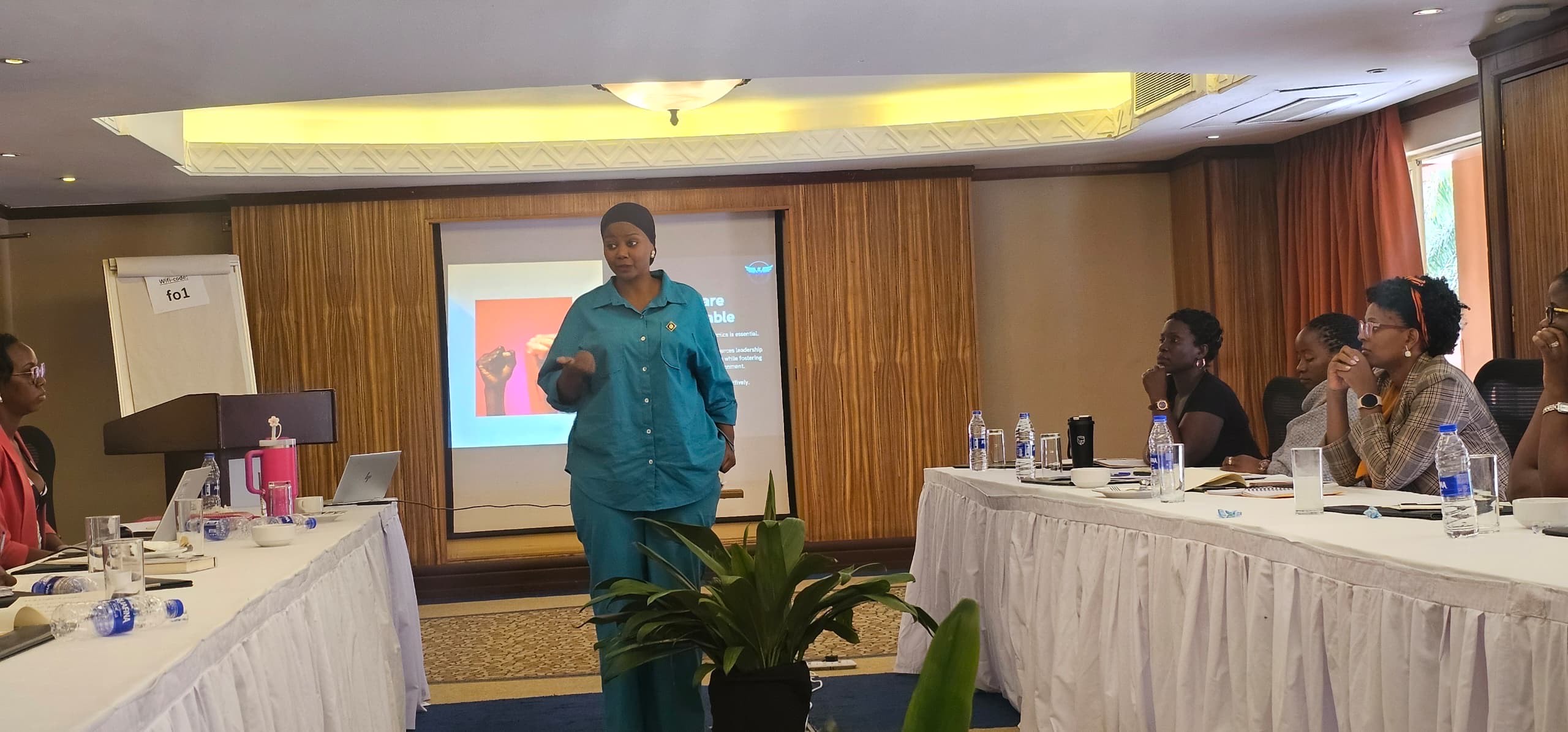
On Saturday, May 3rd, 2025, an empowering 13-week journey began for professionals committed to intentional growth and strategic career advancement. Elevate Your Career is more than just a coaching program—it represents a mindset shift, a structured support system, and a deliberate process for stepping into the next level with clarity and confidence.
Coaching, in its essence, is a results-driven relationship designed to help individuals bridge the gap between where they are and where they want to be. It thrives on repetition, active learning, and accountability. It unlocks potential by clarifying direction, shaping bold goals, and building the confidence to act on them.
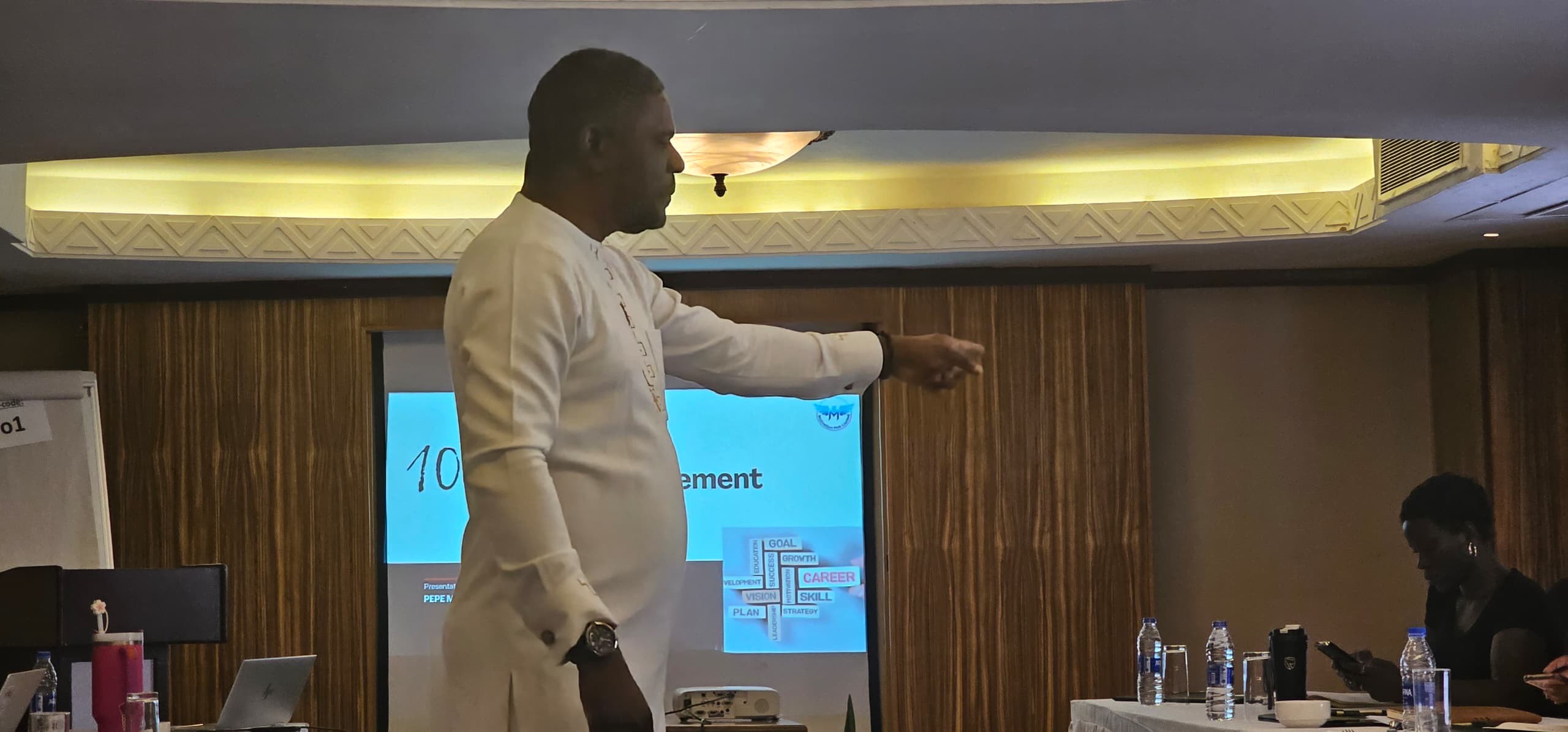
The program is led by renowned speaker and coach Pepe Minambo of Motivation Hub Limited, alongside transformational speaker Robert Burale. Motivation Hub Limited is a leading coaching and training firm that equips professionals with tools for personal mastery, career growth, and leadership development. Their work empowers individuals to transform their mindset,
communicate with impact and lead with purpose.Many of us have grown up with the belief that “your work will speak for you.” While doing excellent work is important, this program highlights a critical lesson: people need to know what you are doing for opportunities to find you. Through intentional visibility, you attract the right connections and open new doors. I have seen this truth in my own journey—sharing insights and achievements on LinkedIn has given me a competitive edge as a lawyer, leading to invitations to speak at events like the East African Law Society (EALS), present papers, winning the Global Leadership in Legal Services Award, among others.
So, this is a challenge to everyone reading this: Do not shrink your brilliance. Showcase your skills, share your value, and speak up about your journey. Visibility is not about ego—it is about positioning. When you show up boldly, you create space for elevation, recognition, and greater impact
This Philosophy is at the heart of the Elevate Your Career Journey. The 13-week experience includes:- Weekly online sessions focused on personal development and career strategy
- In-person workshops designed to foster networking and shared growth
- Active learning through audiobooks, videos, and following thought leaders online
- Regular reflection and thought leadership through articles on LinkedIn or personal blogs
- Practical coaching frameworks such as the 5 Whys technique and content calendar planning
One of the core principles emphasized is visibility. As Pepe Minambo puts it, “Elevate your career, you need visibility. Do not be a spectator on LinkedIn.” Sharing what you learn with colleagues or supervisors, writing consistently, and showcasing progress builds credibility and attracts new opportunities.
Repetition is central to transformation. Writing regularly, reflecting deeply, and applying insights consistently helps internalize new ways of thinking and working. Visibility is not vanity—it is strategy. When growth is seen, it inspires support and opens doors.
Throughout the sessions, compelling truths about career advancement were shared—truths that apply across industries and professions. Among them are the “10 Brutal Rules of Career Advancement”:- Perception often beats performance
- Real decisions are made behind closed doors
- Allies matter more than titles
- Reputation is the most valuable currency
- Loyalty is often positional, not personal
- Power protects power
- Silence is a strategy
- Information is currency
- Not everyone wants to see you win—discern what to share and what to hold back
- Politics are unavoidable
“A slow decision is worse than a bad decision,” noted Jeff Bezos—a reminder of the value of clarity and confident action. In a competitive world, those who grow quickly are those who show up consistently, speak boldly, and invest in continuous learning. High-level professionals gravitate toward others operating at that same level of excellence.
To grow, one must walk with giants. The program emphasizes four key figures to seek out:- Mentors who offer guidance
- Models who offer inspiration
- Coaches who provide challenge and direction
- Sponsors who advocate behind the scenes
These figures form a career support system, offering visibility, practical advice, and strategic elevation.
At its core, Elevate Your Career is a powerful reminder that career success does not happen by chance—it is built through clarity, consistency, and community. With the right mindset, structure, and influence, it is possible to shift from potential to performance, and from being overlooked to being seen.
You elevate yourself by standing on the shoulders of giants. And when you rise, don’t rise alone—bring others with you.

-
Article 48: Empowered for 2025: Growth Strategies and Bold Vision for Female Lawyers in East Africa
Written by Adv. Brownie Ebal
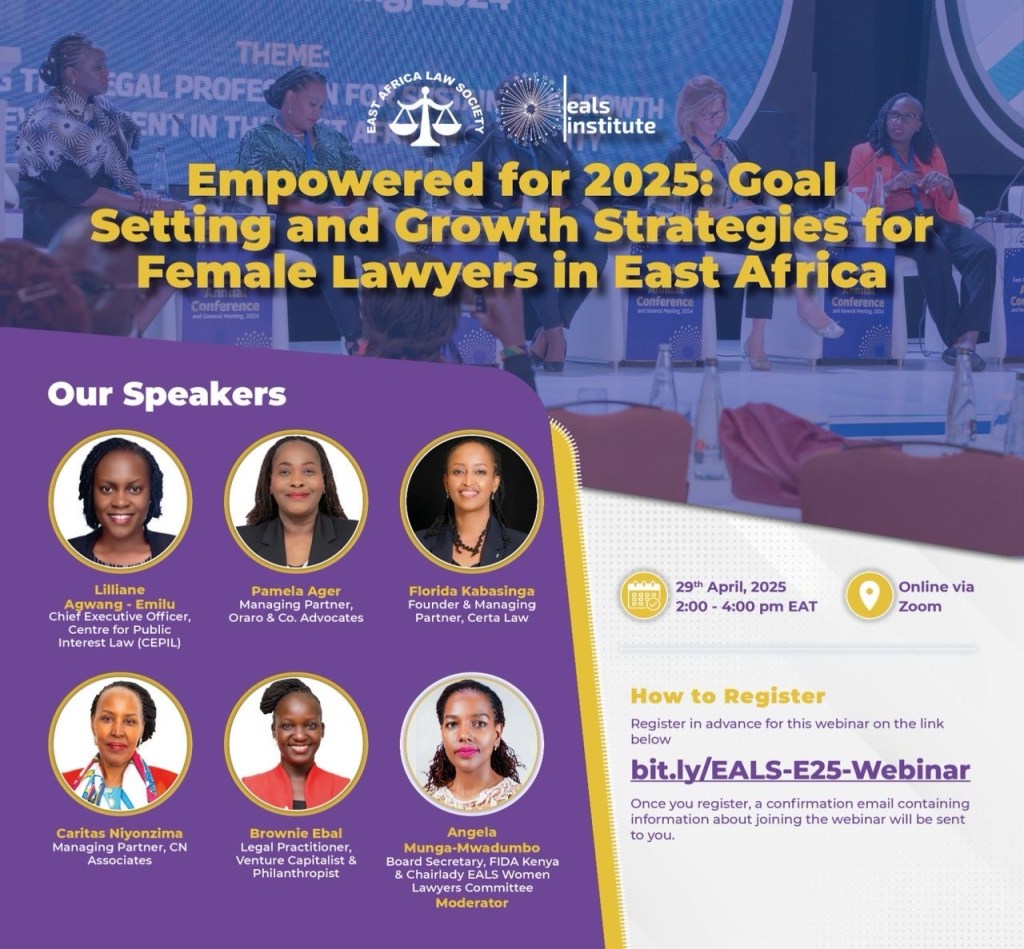
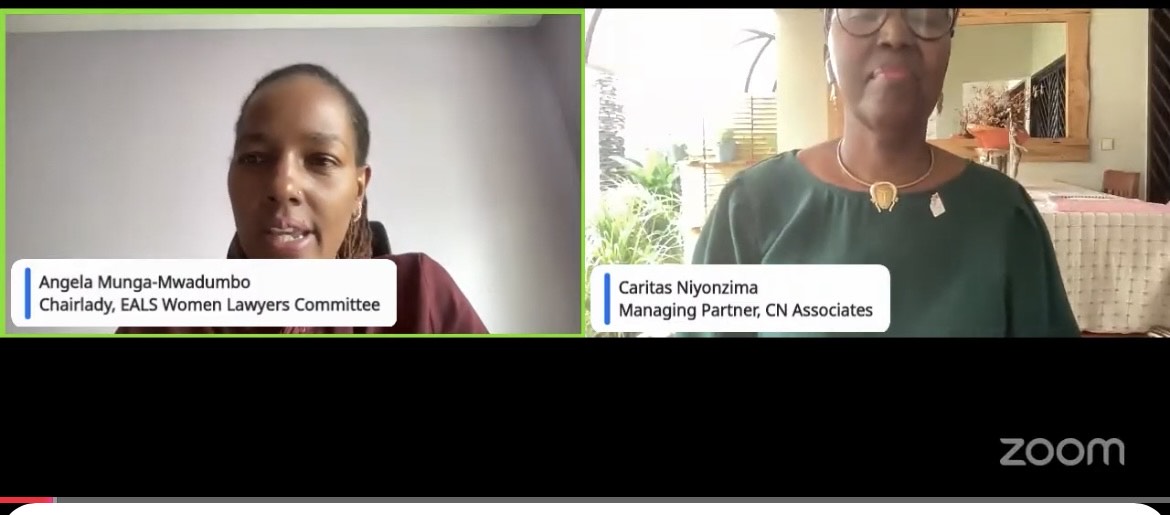
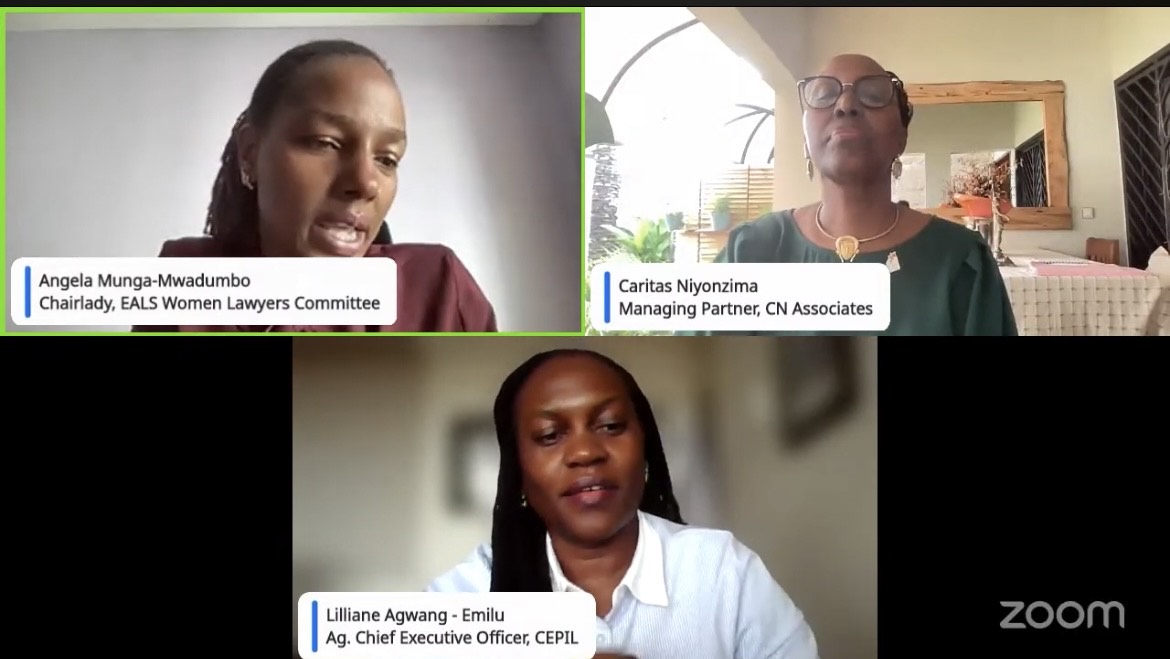
I was privileged to be part of an incredible panel on 29th April 2025 during a thought-provoking webinar titled “Empowered for 2025: Goal Setting and Growth Strategies for Female Lawyers in East Africa.” Organized by the East Africa Law Society (EALS) through its Women Lawyers Committee, the session brought together accomplished women from across the region to share critical strategies for personal and professional advancement in the legal field. It was an honor to contribute to such an empowering space alongside other formidable leaders.
The East Africa Law Society, a respected regional body for legal professionals, continues to champion professional development, inclusivity, and collaboration. Moderated by Angela Munga Mwadumbo, Board Secretary of Feda Kenya and Chair of the EALS Women Lawyers
Committee, this session was intentionally crafted to guide female lawyers in redefining their vision, setting impactful goals, and leading confidently in today’s evolving landscape.
Miss Lilliane Agwang Emilu, Chief Executive Director at the Center for Public Interest Law in Uganda, opened the discussion with a compelling presentation on vision crafting and bold goal setting. She shared practical tools for aligning goals with values using the SMARTER framework (Specific, Measurable, Achievable, Relevant, Time-bound, Evaluate, Reward), emphasizing that bold goals push individuals out of their comfort zones and into transformative spaces. Her call to action was clear: write down your goals, track your progress, and hold yourself accountable.
Miss Pamela Ager, Managing Partner at Oraro & Company Advocates (Kenya), delivered powerful insights on navigating and overcoming barriers that female lawyers face. These include confidence challenges, gender bias, lack of leadership access, and networking gaps. Drawing from her rich experience, she outlined actionable strategies, including building support
systems, embracing imperfection, asserting value, and implementing workplace reforms to make space for women’s advancement.
Miss Caritas Niyonzima, Founding Partner at CN Law in Burundi, highlighted the critical role of technology in legal practice. She spoke about digital transformation as an equalizer, urging women to develop digital competencies and build online presence to expand their influence and
client base. Her message was clear: digital tools can empower women to build strong, flexible careers without limitations.
Miss Florida Kabisanga, Founder & Managing Partner, Certa Law, addressed the value of intentional mentorship and leadership cultivation. She emphasized that mentees should first understand who they are, what goals they have, and where they want to be, before identifying and reaching out to mentors in that field. She highlighted the importance of matching mentees with mentors aligned with their aspirations and reminded senior professionals of their role in opening doors and passing on knowledge. She underscored mentorship as a long-term, strategic commitment.In my own session, I spoke on wellness, balance, and resilience, encouraging women to pursue sustainable growth by nurturing all areas of their lives—physical, mental, emotional, social, spiritual, and environmental. I emphasized that self-care is not selfish, but necessary. From
gratitude journaling and exercise to setting boundaries and embracing joy, balance is the foundation for enduring success. I also highlighted two powerful books that can support this journey: The 5 AM Club by Robin Sharma and Make Your Bed by Admiral William H. McRaven, both offering practical wisdom on discipline, purpose and personal growth.
The session closed on a high note with a unified reminder: female lawyers across East Africa have the potential to lead boldly, but it will require deliberate planning, collaboration, and ongoing personal development. The future of law in the region is brighter when women rise—not just as participants, but as confident, visionary leaders.
For more information about, please click on the link to watch the video:
https://www.youtube.com/live/M_N8EBYU0CY?si=KDnqZCU5_hSXviGjCheck out: https://ealawsociety.org/ for more programmes by the East Africa Law Society.

-
Edition 47: Mastery in Business Planning: Insights from Dr. Rufaro Nyakatawa


Written by Adv. Brownie Ebal and Victoria Nakiyimba
A solid business plan is the foundation of any successful enterprise. In the recent Mastery Business Plan Webinar by Female Founders Initiative Global, Dr. Rufaro Nyakatawa shared key insights on structuring a business for long-term success, resilience, and growth. The session provided a step-by-step guide on crafting a purposeful, bankable, and market-driven business plan and these include;
1. Vision Clarity & Purpose-Driven Planning
Every business starts with an idea, but for it to thrive, the vision must be clear. Entrepreneurs must ask themselves, why am I doing this? Understanding the deeper purpose behind the business helps in making strategic decisions, setting realistic goals, and staying motivated through challenges. A clear vision not only guides the business owner but also inspires employees, investors, and partners to align with the mission.
2. Building a Bankable Business Model
A strong business model is built around a compelling value proposition—the unique benefit a product or service offers to customers. To achieve this, entrepreneurs must first identify the specific problem their business aims to solve. Defining what sets them apart from competitors is equally crucial, as differentiation creates a competitive edge in the market. Additionally, a sustainable revenue model ensures long-term growth and financial stability. A well-structured business model not only strengthens the foundation of the business but also makes it more attractive to investors, increases funding opportunities, and supports sustainable expansion.
3. Strategic Marketing & Customer Positioning
A great product or service holds little value if it doesn’t reach the right audience. Successful marketing is about positioning—understanding where and how to establish a presence in the market. Entrepreneurs must first find their niche, identifying the specific space where their business can stand out. Understanding the target audience is equally important, as knowing their needs, preferences, and behaviors allows for more effective engagement. Developing the right strategies to reach potential customers is key, whether through social media, networking, partnerships, or traditional advertising. The approach should align with the nature of the business and the audience it seeks to serve.
4. Structuring for Growth and Resilience
Scaling a business requires the right structure, and entrepreneurs must be intentional about building a solid foundation. Human resources play a crucial role—whether it is hiring employees, bringing in partners, or attracting investors, having the right people in place ensures smooth operations and sustained growth. Technology is another key factor, as the right tools can streamline processes, improve efficiency, and enhance customer experience. Additionally, well- defined systems and processes create stability, ensuring that the business can operate seamlessly even as it expands. Growth should never be accidental but carefully planned, allowing the business to withstand market fluctuations and scale effectively.
5. Pitch Readiness & Confidence Building
A great business needs great storytelling. Whether pitching to investors, customers, or partners, entrepreneurs must first understand their audience to tailor their message effectively. Packaging ideas in a compelling and structured manner ensures clarity and impact, making it easier for stakeholders to grasp the value being presented. Confidence in communication is equally important, as a well-delivered pitch can inspire trust and enthusiasm. A strong, well-crafted pitch not only enhances credibility but also opens doors to funding, collaborations, and new opportunities that drive business growth.
Beyond planning, practical skills are essential for execution. Entrepreneurs must understand different financing options, whether through loans, grants, or investors, to secure the necessary resources for growth. Seeking mentorship from experienced professionals provides valuable insights and guidance, helping entrepreneurs navigate challenges more effectively. Additionally, leveraging personal and professional networks offers not only financial and strategic support but also opportunities for collaboration and expansion.
Challenges are inevitable in business, but resilience ensures long-term success. Writing a business plan serves as a roadmap, keeping entrepreneurs focused and accountable. Consulting professionals and networks allows them to learn from those with experience, while executing the vision turns planning into results. Continuous improvement is crucial—refining processes, products, and strategies helps businesses stay competitive. Passion plays a significant role in sustaining motivation, even during difficult times. Researching market trends, competitors, and consumer needs provides a strong foundation for decision-making, while actively exploring new opportunities ensures adaptability and innovation. Above all, anticipating challenges and developing contingency plans prepare businesses to navigate uncertainties with confidence.
In conclusion, the Mastery Business Plan Webinar reinforced that success is not accidental—it is intentional and requires careful planning, execution, and adaptability. With a clear vision, a strong business model, effective marketing, structured growth strategies, and resilience, entrepreneurs can build businesses that not only survive but thrive in any economic climate.
For more information on Female Founders Initiative Global and upcoming webinars kindly visit:

About Me
I love reading, writing, attending events, learning, leadership and meeting new people.
I hold a Masters Degree in International Law and I am passionate about life.
If you are interested in learning more about self discovery and becoming the best version of yourself.
Follow Me On
Subscribe To My Newsletter
Subscribe for new stories and exclusive content.

