
Hello, I am Advocate Brownie Ebal
I am a legal Practitioner, Venture Capitalist and Philanthropist.
Welcome to my site.
I love life, travelling, food, beauty, the law, leadership and meeting people from diverse backgrounds. I hope to inspire each one of you with my various articles as I share from my experiences around our beautiful world.
I live in Kampala, Uganda.



-
Article 91: Better Blood Sugar Starts With Everyday Habits.

Healthy blood sugar is not determined by one meal, one workout or one perfect diet. It is shaped by the habits we repeat over time.
When the body becomes less responsive to insulin, glucose may become harder to manage. The encouraging part is that everyday choices involving food, movement, sleep and strength-building can all support better metabolic health.
The goal is not to make extreme changes. It is to build habits that are realistic enough to maintain.
1. Keep your meal routine simple and consistent.
Meal timing can influence how the body processes food. Some people use time-restricted eating, where meals are eaten within a defined period rather than spread throughout the day and late into the night.
However, longer fasting periods are not necessary for everyone. A practical starting point may simply be to eat at fairly regular times, reduce unnecessary late-night eating and avoid constant snacking.
The aim should be to develop an eating routine that works for your lifestyle and health needs rather than following a rigid schedule.
2. Make fibre-rich foods a regular part of your meals.
Fibre is an important part of a healthy diet and can help improve the overall quality of our meals.
Vegetables, fruits, beans, lentils, whole grains, nuts and seeds are all useful sources. Foods such as oats, apples, pears, avocado, broccoli, carrots and berries can easily be included in everyday meals.
Rather than focusing only on a specific number of grams, think about variety and consistency.
A simple question to ask yourself is: How often do whole, fibre-rich foods appear on my plate?
The more regularly they do, the easier it becomes to build a healthier eating pattern.
3. Take a short walk after meals whenever you can.
Movement does not always have to mean a long workout or a visit to the gym.
A short walk after eating can help your muscles use glucose and may help reduce the rise in blood sugar that happens after a meal.
You can start with five or ten minutes and build from there. The most important thing is to make it something you can repeat.
Walk with someone, listen to music or a podcast, or simply use the time to clear your head.
Small amounts of movement, done consistently, can become a valuable part of everyday life.
4. Focus on the quality of your carbohydrates.
Carbohydrates affect blood sugar, but that does not mean they all need to be avoided.
The type of carbohydrate matters.
Foods such as vegetables, beans, whole grains and whole fruits provide nutrients and fibre, while sugary drinks, sweets and highly refined foods are generally better limited.
Instead of concentrating only on how many carbohydrates you eat, also ask where those carbohydrates are coming from.
There is no single carbohydrate target that is suitable for everyone. Needs differ according to age, activity level, health and individual circumstances.
The better approach is usually balance rather than extreme restriction.
5. Include a good source of protein in your meals.
Protein supports muscle health and can help meals feel more satisfying.
Good sources include fish, eggs, poultry, beans, lentils, dairy products, nuts and seeds.
There is no need for everyone to consume exactly the same amount at every meal. Protein needs vary from person to person.
Instead, aim for balanced meals that contain a suitable protein source alongside vegetables, fibre-rich foods and other nutritious choices.
That approach is easier to maintain than trying to meet rigid numbers at every sitting.
6. Build and maintain muscle through regular activity.
Muscle plays an important role in how the body uses glucose.
Strength-based exercise can therefore be useful, but it does not mean spending every day in the gym.
Resistance exercises, bodyweight movements and other forms of muscle-strengthening activity can all contribute.
The key is to exercise safely and consistently rather than pushing yourself to exhaustion.
A few well-planned sessions each week can be more useful than an intense routine that you cannot maintain.
As with most healthy habits, consistency matters more than extremes.
7. Give sleep and daylight the attention they deserve.
Food and exercise often receive most of the attention when we talk about metabolic health, but sleep matters too.
Poor sleep can affect energy levels, hormones and the way the body regulates glucose.
Try to maintain reasonably consistent sleeping and waking times, stay physically active during the day and reduce unnecessary late-night stimulation.
Spending time outdoors in natural daylight, particularly earlier in the day, can also support the body’s natural sleep-wake rhythm.
Good health is not only about what happens at the dining table or in the gym. Rest and recovery are part of the picture too.
Supporting healthy blood sugar is ultimately about creating a lifestyle that works for you. Eating well, moving regularly, building strength, getting enough rest and developing routines you can maintain all work together to support better health.
The best place to begin is with changes that feel realistic. You do not have to adopt all seven habits at once. Start with one or two, practise them consistently and build from there.
Small choices may seem insignificant on their own, but over time they become patterns — and those patterns can shape our health.
Ultimately, better health is not about perfection. It is about building habits that support your body today and protect your wellbeing for the future.
-
Article 90: Driven, Easy-Going, Analytical or Cautious: Which Sounds Like You?

Have you ever noticed how differently people respond to the same situation? Give four people the same deadline and one may immediately create a plan, another may remain completely relaxed, a third may analyse every detail, while the fourth may first think about everything that could go wrong.
That is part of what makes personality so interesting.
One popular way of looking at behavioural tendencies groups people into four broad styles: Type A, Type B, Type C and Type D. These are not strict labels, and most people will probably recognise themselves in more than one. Still, they can help us understand how we approach work, pressure, decisions and everyday life.
The Driven Achiever
Type A personalities are often energetic, ambitious and competitive. They like goals, progress and results, and are usually not afraid of hard work.
This drive can be a major strength. Type A people often take initiative, push projects forward and challenge themselves to achieve more. The difficulty comes when everything starts to feel urgent. Ambition can turn into stress, impatience or the feeling that there is always one more thing to accomplish.
For the Type A personality, the lesson may not be how to work harder, but how to recognise that slowing down does not mean losing ambition.
The Easy-Going Optimist
Type B personalities tend to take a more relaxed approach. They are often easy-going, optimistic, fun-loving and less concerned with competition.
Their calm nature can be especially valuable when everyone else is under pressure. They may be the person reminding the team that a problem can still be solved without panic.
However, being laid-back can sometimes turn into procrastination. There is a difference between remaining calm and continuously putting off what needs to be done.
The challenge for Type B personalities is finding the balance between enjoying the journey and maintaining discipline. Being relaxed and being responsible can exist together.
The Analytical Thinker
Some people prefer to think carefully before taking action. Type C personalities are often logical, serious, hardworking and detail-oriented.
They tend to ask questions, examine the facts and consider different possibilities before making a decision. This can make them particularly valuable in situations where accuracy and careful judgement matter.
The challenge is that careful thinking can become overthinking. A desire to get everything exactly right may make it difficult to move forward.
Type C personalities may therefore need to remember that not every decision requires perfect information. Sometimes progress means making the best decision possible with what is available.
The Cautious Planner
Type D personalities are generally associated with caution, sensitivity to pressure and a preference for routine and predictability.
While caution can sometimes be viewed negatively, it also has its advantages. A cautious person may identify risks that others overlook and help a team think through possible problems before acting.
The difficulty comes when concern becomes so strong that it prevents action altogether.
For the Type D personality, the goal is not to stop being careful, but to distinguish between healthy caution and unnecessary worry.
Perhaps We Are a Mixture of All Four
The truth is that many of us probably do not fit neatly into one category.
You may be highly Type A at work but completely Type B when relaxing with friends. You may become Type C when making an important financial decision and more cautious when facing an unfamiliar situation.
That is why these personality styles are most useful as a tool for self-awareness, rather than as permanent labels.
Each personality brings something valuable. The driven person brings momentum. The easy-going person brings calm. The analytical person brings attention to detail. The cautious person brings awareness of risk.
At the same time, each personality has something to manage. The ambitious person may need to slow down. The relaxed person may need to act sooner. The perfectionist may need to accept that good can sometimes be good enough, while the cautious person may need to take a calculated risk.
Ultimately, understanding personality is not about deciding which letter belongs beside your name. It is about recognising how you naturally respond to life, where your strengths lie and where you may need to grow.
-
Article 89: Beyond the Classroom: Preparing the Next Generation for Life.
Raising a child involves much more than providing food, shelter and formal education. It is about preparing a person to face life with confidence, discipline, wisdom and a strong sense of responsibility.
The world is changing rapidly. Technology, social media, economic uncertainty and shifting social values are influencing how children think, communicate and define success. Although academic achievement remains important, good grades alone do not guarantee that someone will know how to manage money, cope with disappointment, build healthy relationships or make sound decisions.
True preparation must therefore extend beyond the classroom. Parents, guardians, teachers and communities must intentionally develop character, resilience, practical competence and emotional maturity.
Here are some important ways to prepare the next generation for the realities and opportunities of life.
1. Teach Responsibility
Children should learn that their choices have consequences. They must be able to acknowledge mistakes, accept correction and take steps to make things right.
Constantly rescuing them from every difficulty may prevent them from developing accountability. Instead, give them age-appropriate responsibilities and allow them to learn from the results of their decisions.
2. Introduce Financial Literacy
Many adults know how to earn money but struggle to manage it. Financial education should begin early through lessons on budgeting, saving, investing, giving and responsible spending.
Children should understand the difference between needs and wants and learn that financial stability is not determined by appearance. The goal is not to make them obsessed with wealth, but to develop discipline and sound judgement.
3. Allow The to Learn From Failure
Failure, rejection and disappointment are unavoidable parts of life. A child who is protected from every setback may struggle when faced with difficulties in adulthood.
Instead of treating failure as something shameful, help them reflect on what went wrong, identify the lesson and try again. Resilience develops when a person discovers that disappointment can be survived.
4. Develop Communication and Emotional Intelligence
The ability to communicate clearly and manage emotions is essential in relationships, education, employment and leadership.
Children should learn how to express themselves respectfully, listen attentively, disagree without insulting others and apologise when they are wrong. They should also understand that anger, sadness or frustration does not justify harmful behaviour.
Adults model these lessons through the way they respond to pressure, conflict and mistakes.
5. Build Strong Values
Honesty, discipline, courage, humility and integrity provide direction when external pressure becomes intense.
Values are taught not only through words, but through example. Children observe whether adults keep promises, tell the truth, respect others and admit their mistakes. The behaviour they witness often becomes the standard they carry into adulthood.
6. Teach Respect and Healthy Boundaries
Children should understand the dignity and worth of every person.
Boys should be taught to respect girls and women and never use strength to intimidate, control or harm. Girls should be taught to recognise their value, establish healthy boundaries and reject disrespectful or abusive behaviour.
Both should understand consent, empathy and mutual responsibility. They should also learn that kindness does not mean accepting manipulation or mistreatment.
7. Demonstrate Hard Work and Consistency
Success is often the result of small, disciplined actions repeated over time.
Arriving on time, completing tasks, keeping commitments and continuing when motivation is low are habits that prepare a person for greater responsibilities. Talent may create opportunities, but consistency is what sustains progress.
Hard work should be balanced with rest, but children should understand that meaningful achievement usually requires patience, sacrifice and effort
8. Develop Practical Skills
Every child should learn basic skills that promote independence. These include cooking, cleaning, managing time, caring for personal belongings, solving simple problems and responding appropriately in an emergency.
Practical skills should not be divided strictly by gender. Everyone benefits from knowing how to care for themselves, contribute to a household and support others.
9. Encourage Critical Thinking
Access to information does not always lead to understanding. Children are constantly exposed to opinions, trends, advertising and misinformation.
They should be taught to ask questions, examine evidence and think carefully before accepting everything they see or hear. Critical thinking helps them resist unhealthy pressure and make informed decisions rather than following blindly.
10. Encourage Independence and Purpose
The purpose of parenting is not to create permanent dependence, but to prepare children to make responsible decisions when adults are no longer present.
Allow them to make age-appropriate choices, manage responsibilities and experience consequences. Guidance remains important, but it should gradually give way to trust.
They should also be reminded that success is not measured only by money, possessions or titles. Who they become, how they treat others and the contribution they make are equally important.
Ultimately, preparing the next generation for the world is not about removing every obstacle from their path. It is about equipping them with the values, skills and confidence to face those obstacles wisely.
We may not be able to protect them from every failure, rejection or disappointment, but we can teach them how to respond without losing their dignity, integrity or sense of purpose.
The goal is not to raise people who never fall, but people who know how to rise, learn and continue. When children are taught responsibility, resilience, respect and independent thinking, they are prepared not only to succeed, but also to contribute meaningfully to their families, communities and the wider world.
-
Article 88: Choosing Faith, Action and Persistence
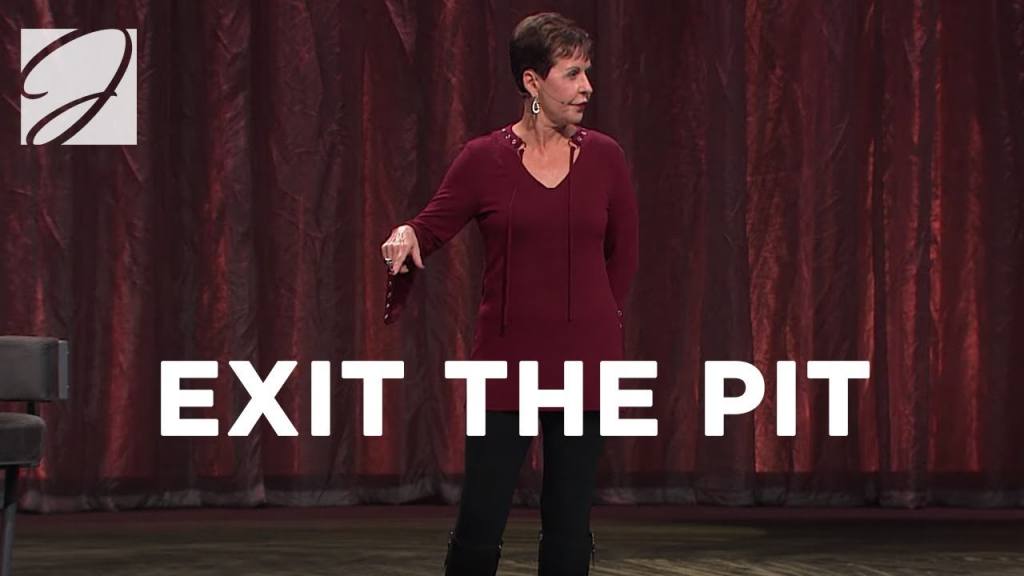
In her teaching Exit the Pit, shared on the Joyce Meyer Ministries YouTube channel, Bible teacher and author Joyce Meyer speaks about the emotional and spiritual “pits” people sometimes experience. These may be pits of discouragement, fear, depression, anger, anxiety or self-pity. Her message is clear: although we may fall into a pit, we do not have to remain there.
Life can sometimes leave us feeling trapped in a low and unpleasant place. Disappointment, rejection, failure and difficult circumstances can make hope feel distant and progress seem impossible. However, a difficult season does not have to become our permanent home.
Meyer uses the biblical story of Joseph to demonstrate this. Joseph’s brothers betrayed him and threw him into a pit, yet the pit was not the end of his story. He later rose to a position of influence in the palace. His journey reminds us that our present circumstances do not necessarily determine our future.
When we face difficulties, our natural response is often to pray and ask God to change the situation. Prayer is important, but Meyer explains that God may respond by showing us what we need to do. We may pray for better health while neglecting rest and exercise, or ask for peace while continuing to hold onto anger and bitterness.
Faith does not remove personal responsibility. It gives us the courage to follow the direction God provides. As Meyer warns, we cannot keep asking God to deliver us from a problem that we continue to feed through our habits, thoughts and decisions. Sometimes the first step out of the pit is recognising what we need to change.
Many emotional pits also begin in the mind. A single negative thought can grow into fear, resentment, criticism or self-doubt. When such thoughts are entertained for too long, they eventually affect our emotions, behaviour and relationships.
Meyer describes the mind as a battlefield. She explains that when negative thoughts enter our minds, we do not have to accept them. We can challenge them, reject them and replace them with thoughts that are truthful, loving and consistent with God’s Word.
She shares an example from one of her morning walks, when she found herself thinking negatively about someone. Once she recognised that her thoughts had “fallen into the pit,” she deliberately changed the direction of her thinking. When the thoughts returned, she corrected herself again until the pattern eventually stopped.
This shows that changing our thinking may require repeated effort. We may reject a negative thought only for it to return a few minutes later. The answer is not to give up but to redirect our minds again.
Meyer also emphasises the difference between conviction and condemnation. Conviction shows us what needs to change and guides us towards repentance and growth. Condemnation, however, leaves us feeling hopeless, ashamed and unable to move forward.
For this reason, she encourages people to “skip the guilt trip.” When we make a mistake, we should acknowledge it, ask for forgiveness, make a better decision and continue moving forward. Prolonged guilt does not correct the past. It often weakens us and makes it easier to fall into the same pattern again.
Leaving the pit may not happen after one attempt. We may make progress and later find ourselves returning to the same fear, anger or discouragement. Meyer’s encouragement is simple: do it again. Rise again, correct your thoughts again and choose hope again.
Persistence is one of our greatest weapons. The person who refuses to give up cannot remain permanently defeated. Falling does not make us failures. What matters is our willingness to rise and continue.
The Apostle Paul spoke of letting go of what was behind him and pressing towards what was ahead. In the same way, we do not have to remain trapped by past mistakes or present struggles. We can speak honestly to God, accept His correction and begin making decisions that move us in a healthier direction.
The pit may be part of our story, but it does not have to be where the story ends. With faith, personal responsibility and persistence, we can rise from discouragement, renew our minds and move forward.
When you realise that you have fallen into a low place, do not surrender to guilt or shame. Reach for God’s help and begin climbing. Should you fall again, rise again.
For more, watch the full teaching through the link below:
-
Article 87: Small Habits, Big Transformation: 9 Daily Practices That Can Change Your Life.
Transformation is something many people desire, but it is often misunderstood. It is not only about making major life changes, achieving big goals, or becoming successful overnight. True transformation is seen in the small improvements we make in our daily lives; how we think, how we manage our time, how we care for our bodies, how we respond to challenges, and how intentionally we work towards becoming better.
Real transformation does not always come from making dramatic changes. Sometimes, it begins with small daily habits practiced consistently over time. The things we do every day shape our mindset, health, discipline, productivity, and overall quality of life. When adopted intentionally, simple habits can create a strong foundation for personal growth and long-term success. Below are nine simple habits that, when practiced consistently, can gradually transform how you live, think, work, and grow.
1.Wake Up Early
Waking up early gives you a head start on the day. It creates quiet time before the demands of work, family, business, and daily responsibilities begin. This time can be used to plan your day, exercise, reflect, study, or work on personal goals.
Starting the day early also helps you feel more in control of your time. Instead of rushing into the day, you begin with intention. Over time, this habit can improve discipline, productivity, and focus.
2.Write Down Your Thoughts Before Bed
Writing before bed is a simple way to clear your mind. Many people go to sleep with unfinished thoughts, worries, ideas, and plans running through their minds. Taking a few minutes to write them down can help create mental calm.
You can write about what you are grateful for, what went well during the day, what challenged you, or what you hope to accomplish the next day. This habit helps you process your thoughts, release stress, and prepare your mind for better rest.
3.Learn a Skill for 10 Minutes a Day
Learning does not always require long hours. Even 10 minutes a day can make a difference when done consistently. In a fast-changing world, developing new skills can improve your confidence, creativity, and opportunities.
You can learn skills such as writing, public speaking, digital marketing, content creation, coding, communication, financial literacy, or leadership. The goal is not to master everything at once, but to improve little by little every day. Small learning habits eventually compound into valuable knowledge.
4.Spend 10 Minutes a Day Exercising
Exercise does not have to be complicated. A short daily routine can help strengthen your body, improve your mood, and increase your energy. Simple activities such as walking, jogging, stretching, push-ups, sit-ups, or skipping can make a difference.
The most important thing is consistency. Ten minutes may seem small, but it builds discipline and keeps the body active. Over time, regular movement supports better health, posture, confidence, and overall wellbeing.
5.Take a 10-Minute Break
The mind needs rest just as much as the body does. Taking a short break during the day allows you to pause, breathe, and reset. This is especially important when you are overwhelmed, tired, or mentally drained.
A 10-minute break can involve sitting quietly, stretching, taking deep breaths, stepping away from your phone, or simply doing nothing. These moments of stillness help you regain focus and return to your tasks with a clearer mind.
6.Create a Proper Sleep Schedule
Good sleep is essential for focus, productivity, and emotional balance. Having a consistent sleep schedule helps your body develop a healthy rhythm. Going to bed and waking up at regular times can improve the quality of your rest.
To support better sleep, reduce screen time before bed, avoid eating too late, keep your sleeping space comfortable, and avoid carrying your phone to bed. A proper sleep routine helps you wake up feeling more refreshed, alert, and ready for the day.
7.Take a 30-Minute Walk in Nature
Walking in nature is a powerful way to refresh both the body and mind. It gives you a break from screens, noise, pressure, and routine. Whether it is a walk in a garden, around your neighborhood, by the lake, or in a quiet outdoor space, nature has a calming effect.
This habit can help improve your mood, reduce stress, and give you time to think clearly. It also allows you to move your body without pressure. A simple walk can bring clarity, peace, and a renewed sense of energy.
8.Read 10 Pages a Day
Reading strengthens the mind. It exposes you to new ideas, expands your vocabulary, improves concentration, and increases knowledge. Reading 10 pages a day may seem small, but it can lead to finishing several books in a year.
You can read books on personal development, leadership, business, faith, finance, health, or any subject that helps you grow. The habit of reading daily keeps your mind active and opens you up to better thinking and better decisions.
9.Drink Enough Water Every Day
Water plays an important role in keeping the body healthy and functioning well. Staying hydrated supports energy, concentration, digestion, recovery, and overall wellness.
Keeping a bottle of water nearby can remind you to drink throughout the day. The more intentional you are about hydration, the easier it becomes to make it part of your routine. Drinking enough water is a simple habit, but it has a lasting impact on how you feel and function daily.
Becoming a better version of yourself does not happen overnight. It is built through repeated actions, small choices, and daily discipline. These habits may look simple, but when practiced consistently, they can shape your mindset, improve your health, and help you grow into a more focused, balanced, and productive person.

About Me
I love reading, writing, attending events, learning, leadership and meeting new people.
I hold a Masters Degree in International Law and I am passionate about life.
If you are interested in learning more about self discovery and becoming the best version of yourself.
Follow Me On
Subscribe To My Newsletter
Subscribe for new stories and exclusive content.

