
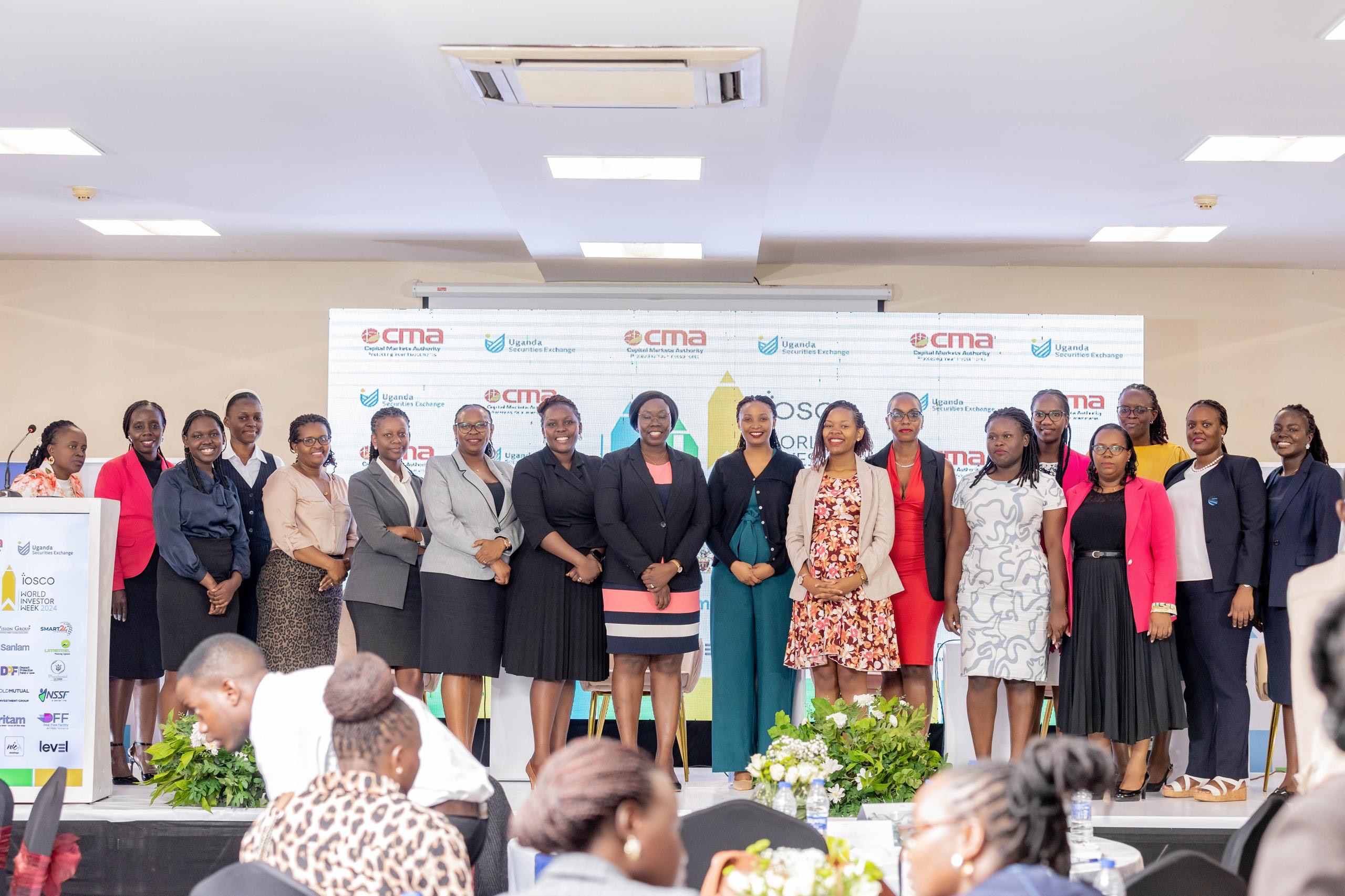
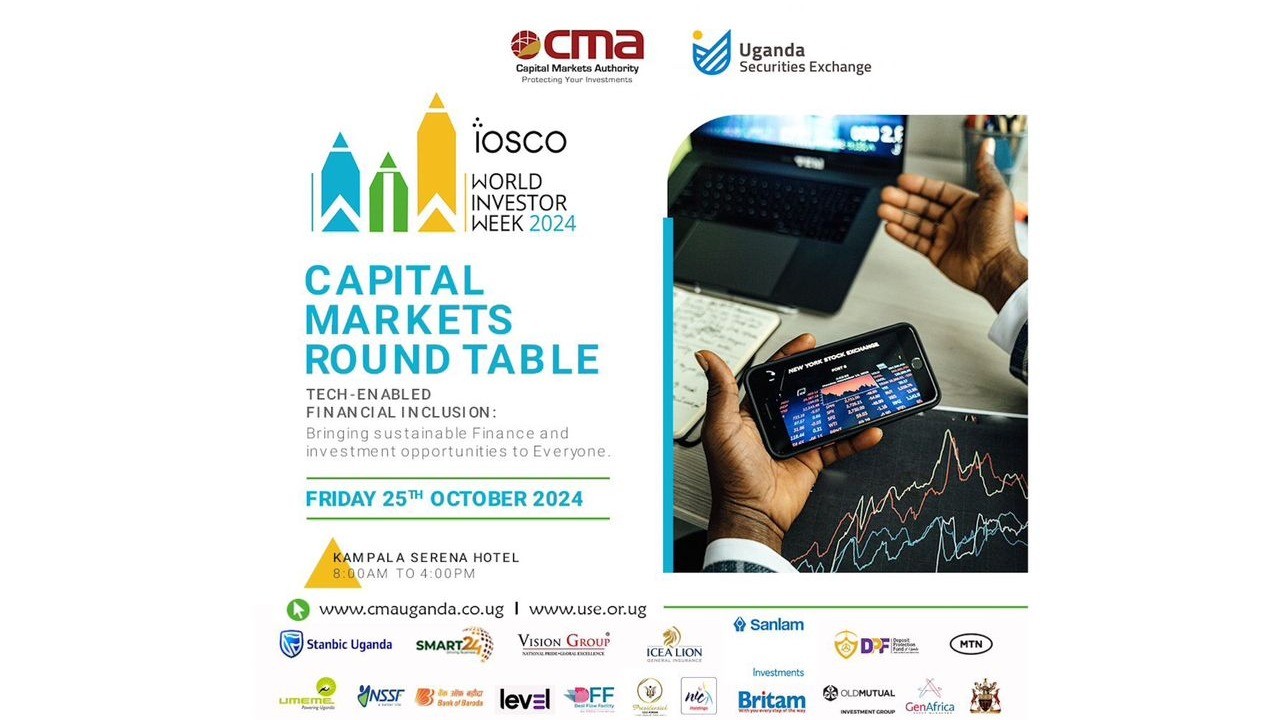
The final day of World Investors Week 2024 in Uganda culminated with profound insights under this year’s theme, “Tech-Enabled Financial Inclusion: Bringing Sustainable Finance and Investment Opportunities to Everyone.” Focused on expanding access to sustainable investments, the discussions highlighted how technology can bridge financial gaps, ensuring more Ugandans participate in capital markets and benefit from a more inclusive economy. With key speakers from government, financial institutions, and technology providers, the day offered a roadmap for sustainable growth, financial literacy, and investment opportunities.
Government’s Role in Sustainable Growth and Financial Inclusion
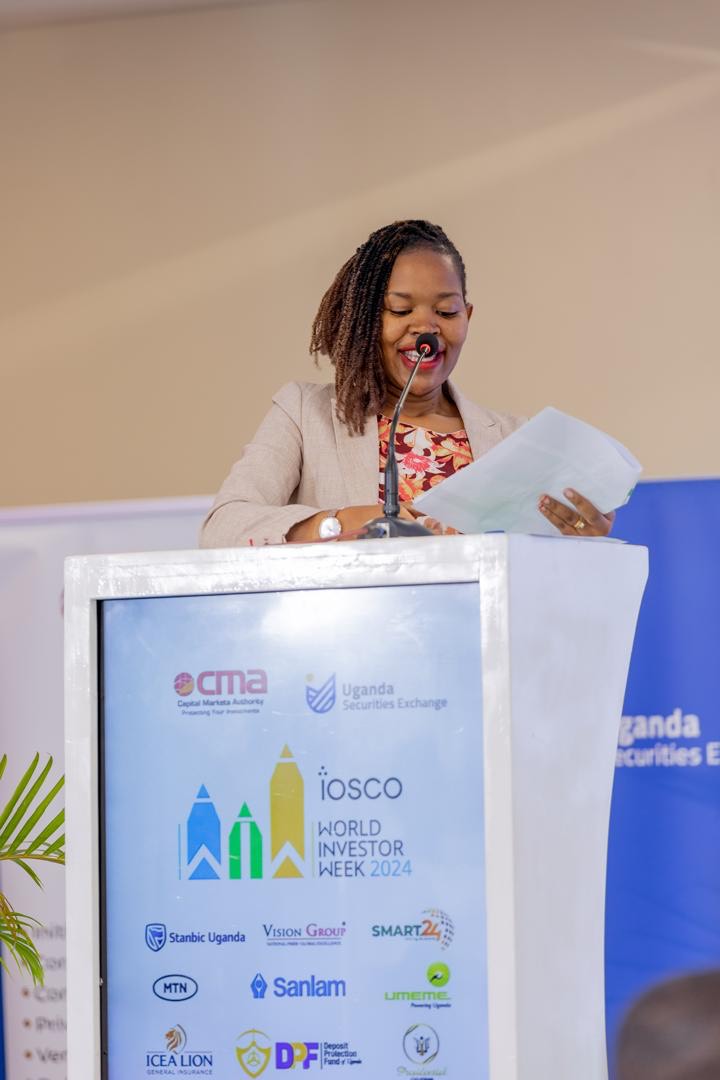
Uganda’s Minister of Finance outlined the government’s commitment to sustainable growth through the Medium-Term Budget Framework (MBF-4), emphasizing productivity, value addition, human capital development, private sector support, infrastructure, and governance. These pillars, the minister noted, will create a conducive environment for sustainable finance and investment.
Insights from Listed Companies: Growth, Inclusion, and Scrutiny
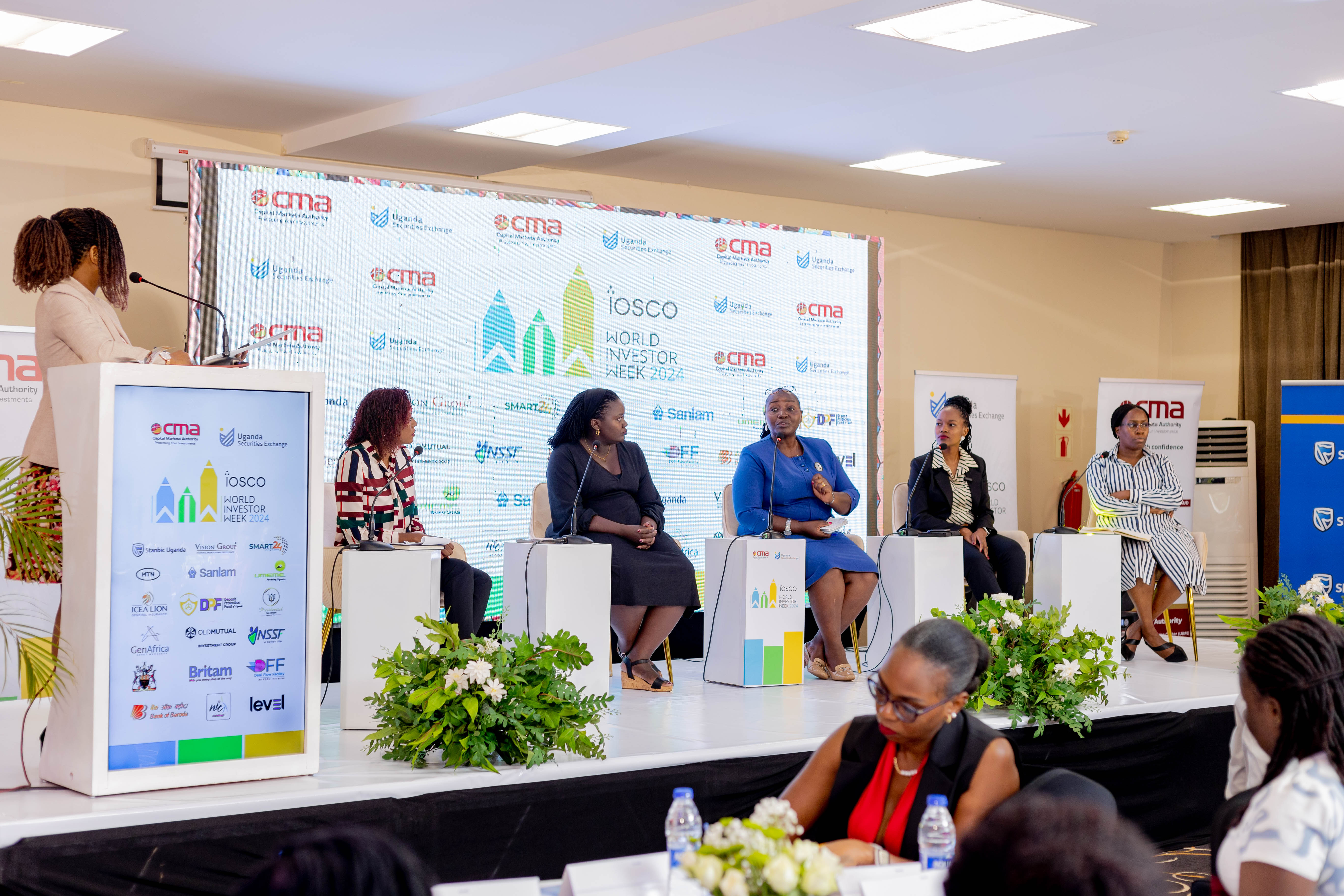
The first panel brought in representatives from listed companies, who discussed the transformative benefits of being publicly listed on the Uganda Securities Exchange (USE). Key advantages included increased visibility, strengthened governance through attracting independent directors, and internal capital growth. Panelists highlighted the importance of maintaining transparent records to leverage these benefits fully.
One company, DFCU, illustrated how its listing has enhanced financial inclusion by enabling partnerships that support financial literacy programs, mobile banking applications, and broader access to services. The scrutiny from the Capital Markets Authority (CMA) and USE, while rigorous, has fostered a culture of growth and accountability, allowing companies to prioritize sustainability and investor returns.
Sponsor Reflections: Educating and Empowering Investors
Media partners SMART 24 and New Vision emphasized the critical role of investor education. SMART 24 stressed the importance of enabling Uganda’s private sector to drive GDP growth. New Vision echoed this by committing to responsible journalism through various formats—articles, podcasts, and talk shows-that aim to empower investors and foster a more informed public.
The Deposit Protection Fund (DPF) also played a significant role in educating the audience on financial security. It urged Ugandans to update their account details regularly to ensure they remain protected under the fund’s guarantee in case of bank failures.
Expanding Capital Markets through Knowledge and Accessibility
Panelists underscored that financial inclusion in capital markets begins with knowledge. Limited financial literacy and income levels, influenced by skills shortages, remain significant barriers. Xeno, a local asset management firm, is addressing this challenge by offering a user-friendly platform that allows individuals to save and invest based on future financial goals. Serving 50% of Uganda’s population, Xeno exemplifies the power of accessible technology to boost financial inclusion.
For investors, asset management offers numerous benefits, including diversified portfolios, improved cash flow management, and financial planning advice. While some fear that NSSF’s increasing role in the market could overshadow other unit trusts, panelists clarified that NSSF’s primary focus remains on retirement planning, leaving room for other funds to address diverse financial goals.
AI and Technology as Catalysts for Financial Inclusion
Nesta Paul Katende presented an insightful session on AI’s role in promoting financial inclusion and sustainable finance in emerging markets like Uganda. AI’s capacity to enhance access to credit, personalize financial products, and automate customer service can help overcome inclusion barriers. Beyond efficiency, AI in financial literacy and investor protection enables personalized learning and robust fraud detection systems.
In capital markets, integrating AI tools allows financial intermediaries to broaden investment access, reach underserved communities, and promote inclusive and sustainable finance. This AI-driven transformation points to a future where technology not only optimizes finance but also fosters financial empowerment.
The Importance of Sustainable Finance and Regulatory Support
In a session on sustainable finance, experts discussed three key pillars:
1. Environment – Managing natural resources sustainably to support business while conserving the environment.
2. Social Impact – Ensuring business practices benefit society, promote workplace inclusivity, and enhance occupational safety.
3. Governance – Promoting sustainable decision-making at the board level, with green bonds highlighted as a financing example.
Stanbic Bank, represented by Mr. Ssemakulu, shared its commitment to financial sustainability through initiatives like training over 15,000 women. Regulators, such as the CMA, are shaping the sustainability agenda by incorporating Environmental, Social, and Governance (ESG) principles into their frameworks, aligning with Uganda’s National Development Plan and international goals.
From a regulatory perspective, frameworks are being developed to protect investors, enforce compliance, and promote sustainable investments. Investors, in turn, can contribute to sustainability by advocating for policies and supporting projects that align with ESG principles.
Government and CMA’s Role in Advancing Financial Inclusion
The closing panel explored the role of government in promoting financial inclusion. CMA has prioritized public education as part of its program, with World Investors Week being one avenue to increase financial literacy. NSSF also emphasized financial inclusion as a core part of its social security mandate, encompassing contributions, investments, and benefits payouts.
Efforts to reduce barriers to internet access were discussed, with suggestions including competition and reduced taxation to make internet more affordable. The panel also reinforced the importance of cultivating a saving culture, regardless of income levels, as a foundation for future investment.
The discussions at World Investors Week 2024 underscored a collective vision for a more inclusive and sustainable financial future in Uganda. By embracing technology and building foundational knowledge, Uganda can unlock greater financial participation and investment opportunities for all citizens. The week highlighted that while capital is crucial, informed decision-making and a robust understanding of sustainable finance are essential for long-term growth. With technology as a driving force, Uganda is well-positioned to foster a financial landscape that empowers its people and meets global standards for inclusivity and sustainability.
For more information on these investment opportunities, kindly visit these websites:
 BecomingGolden
Leave a comment